API Versioning Without Breaking Clients: A Contract-First Approach
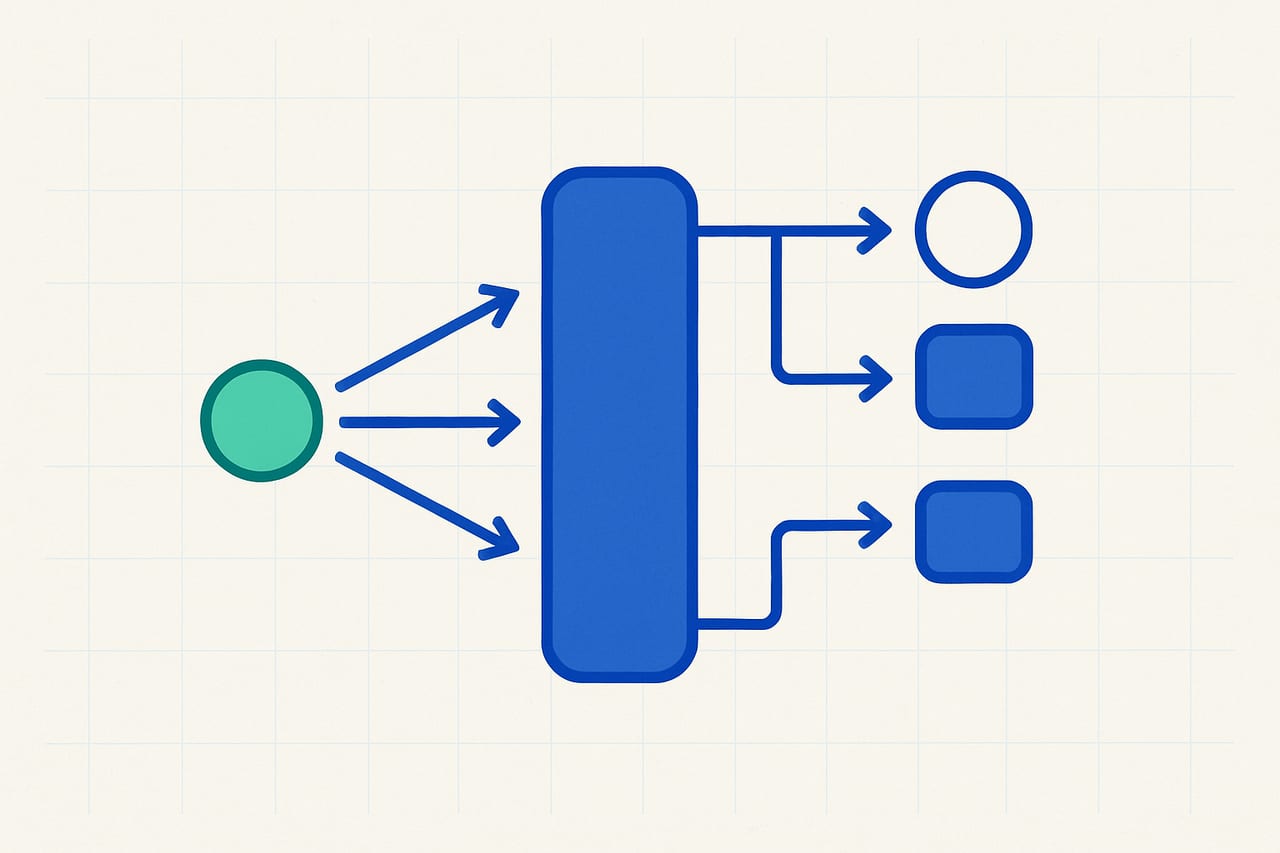
- Contract-first design ensures backward compatibility.
- Versioning through semantic versioning promotes clarity.
- Automated contract testing can catch breaking changes early.
- Clear communication of contract changes reduces client friction.
The problem
Startups often face the challenge of evolving their APIs without breaking existing client integrations. As products grow, changes are necessary, but clients can become frustrated or even lose functionality if updates are not handled properly. This can result in increased support costs and client churn, particularly for startups that rely on a small, dedicated user base that expects stability.
What we found
A contract-first approach, where API specifications are defined in a format such as OpenAPI or GraphQL SDL before implementation, allows for better foresight regarding potential breaking changes. Clients can generate SDKs or client libraries based on these contracts, ensuring that as long as the contract remains stable, their integrations will not suffer. This proactive method contrasts with the reactive nature of traditional API versioning, which often leads to miscommunication and unintended disruptions.
How to implement it
1. Start by defining your API contract using a standard like OpenAPI or GraphQL SDL. This should detail all endpoints, request/response structures, and data types. 2. Use semantic versioning (SemVer) for your API. Increment the major version for breaking changes, minor for backward-compatible enhancements, and patch for bug fixes. 3. Implement automated contract testing tools, such as Pact or Postman, to validate that your API implementation adheres to the defined contract before deployment. 4. Communicate upcoming changes to clients well in advance, providing them with updated contract documentation and any necessary migration guides.
How this makes life easier
By adopting a contract-first approach, startups can significantly reduce the risk of breaking changes during API updates, leading to improved client satisfaction and retention. The clarity provided by semantic versioning allows both internal teams and clients to understand the impact of changes at a glance. This results in less time spent on support and troubleshooting, as clients can adapt to updates in a structured manner.
When not to use a contract-first approach
While a contract-first approach is beneficial, it may not be suitable for every scenario. If your startup is in early stages with rapid iterations and frequent changes, the overhead of maintaining a contract may slow down development. In such cases, consider a more flexible, code-first approach initially, transitioning to contract-first as the API stabilizes and matures.
Figures are industry-typical ranges for these techniques, not guaranteed results — actual numbers depend on your workload.
The solution
Implement a contract-first approach to your API versioning strategy to ensure backward compatibility and reduce the risk of breaking client integrations. Focus on clear communication and automated testing to enhance client relationships and internal workflows.
FAQ
What tools should I use for contract testing?
Tools like Pact, Postman, and Swagger can help automate contract testing. Choose based on your existing tech stack and team familiarity.
How can I communicate changes effectively to my clients?
Use a dedicated changelog and provide detailed documentation for each version update. Consider hosting webinars or Q&A sessions to address client concerns.
What if my API needs to evolve rapidly?
You can start with a code-first approach and gradually introduce contract-first principles as your API stabilizes. This allows for flexibility during early development.
Want help to build a backend structured to scale?
This is exactly what our backend & API development work covers. Book a build audit and we'll map it against your real architecture and cost curve.
Book a Build Audit