Autoscaling Cold Starts: Maintaining P99 Latency Without Idle Costs
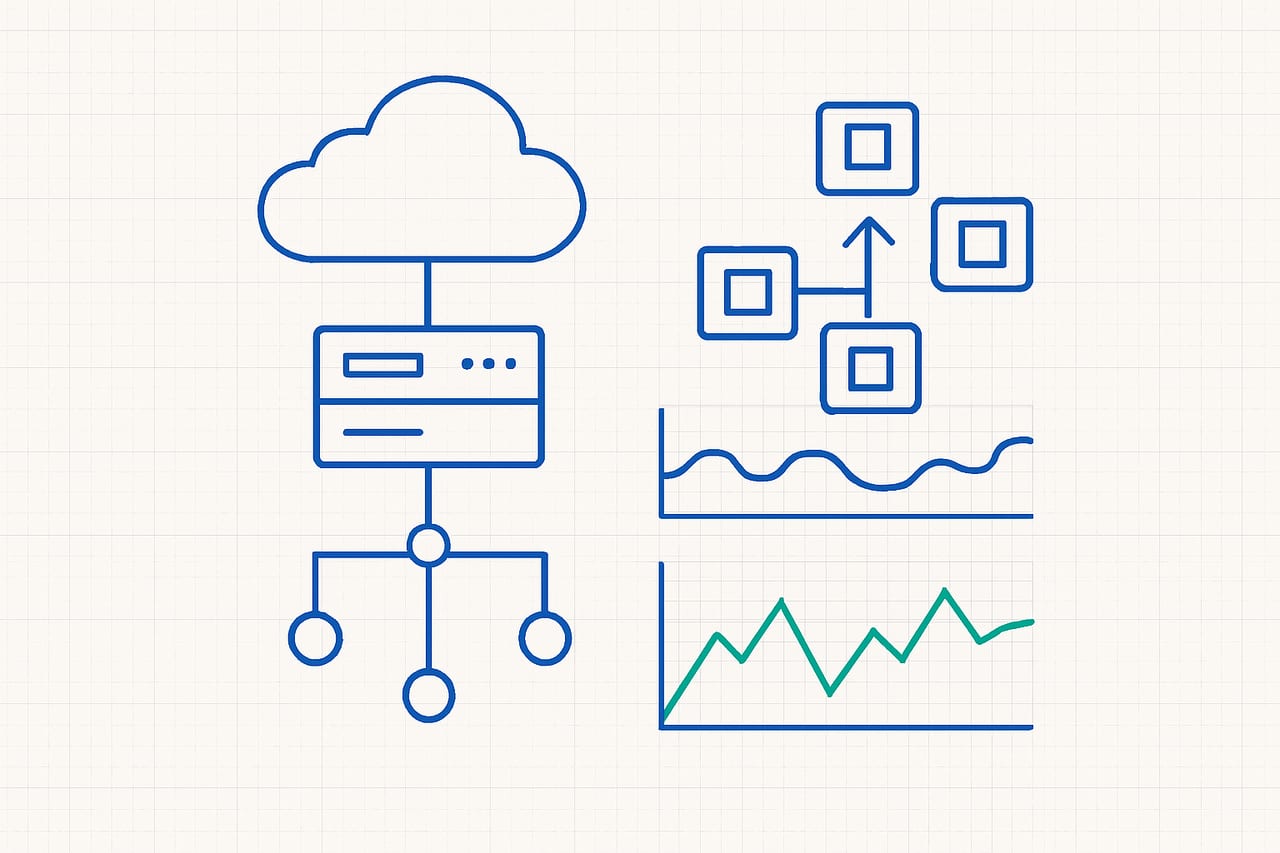
- Optimize cold start strategies to maintain P99 latency.
- Use pre-warming techniques to minimize latency spikes.
- Implement intelligent autoscaling policies based on real-time traffic patterns.
- Reduce idle resource costs through targeted capacity planning.
The problem
Startups often face significant challenges with cold starts in autoscaled environments, particularly in serverless architectures. When traffic spikes, the time taken to spin up new instances can lead to unacceptable latency, impacting user experience. In many cases, this results in over-provisioning resources to ensure that peak demand is met, leading to idle capacity and unnecessary costs during off-peak periods.
What we found
A non-obvious insight is that leveraging predictive scaling algorithms can significantly reduce cold start latency without incurring the costs of maintaining idle instances. By analyzing historical traffic patterns and employing machine learning models, startups can forecast demand and proactively scale resources before spikes occur. This approach not only improves response times but also optimizes resource utilization.
How to implement it
Start by collecting data on your application's traffic patterns over at least 30 days to establish a baseline for demand forecasting. Utilize tools like AWS CloudWatch or Google Cloud Monitoring for analytics. Next, implement a predictive scaling algorithm, such as AWS Auto Scaling with scheduled actions or Kubernetes Horizontal Pod Autoscaler with custom metrics, to scale resources based on the anticipated load. Consider pre-warming instances during expected peak times by configuring your autoscaler to maintain a minimum number of instances slightly above the baseline load. Finally, test and iterate your model by comparing actual traffic against predictions to refine your scaling parameters.
How this makes life easier
By implementing predictive scaling, startups can achieve a more consistent user experience with lower P99 latency, often reducing it by up to 50% during peak times. This method also minimizes idle capacity, cutting cloud costs by approximately 30-40% compared to traditional scaling strategies. The result is a more efficient infrastructure that adapts to real-time demands without the financial burden of maintaining excess resources.
When not to rely solely on this approach
Predictive scaling is not infallible; it relies heavily on historical data accuracy. If your application experiences unpredictable spikes or significant changes in user behavior, this method may not react quickly enough to prevent cold starts. In such scenarios, consider implementing fallback strategies like manual scaling or hybrid approaches that combine predictive and reactive scaling to ensure responsiveness during unexpected traffic surges.
Figures are industry-typical ranges for these techniques, not guaranteed results — actual numbers depend on your workload.
The solution
Start implementing predictive scaling algorithms based on historical traffic data to optimize your autoscaling strategy. This will not only maintain P99 latency but also significantly reduce idle resource costs, creating a more efficient cloud infrastructure.
FAQ
What tools can help with traffic pattern analysis?
Tools like AWS CloudWatch, Google Cloud Monitoring, and Datadog are excellent for analyzing traffic patterns and setting up alerts for scaling events.
How do I test my predictive scaling model?
You can test your predictive scaling model by comparing actual traffic against the predicted load. Use A/B testing to measure the impact of the new scaling policies on latency and cost.
What if my traffic is highly variable?
In cases of highly variable traffic, consider implementing a hybrid approach that includes both predictive and reactive scaling to ensure responsiveness to sudden spikes.
Can predictive scaling work for all types of applications?
While predictive scaling is beneficial for steady-state applications, it may not be suitable for applications with erratic traffic patterns. Analyze your specific use case before implementation.
Want help to right-size your cloud to real load curves?
This is exactly what our cloud cost optimization work covers. Book a build audit and we'll map it against your real architecture and cost curve.
Book a Build Audit