Choosing the Right Model-Routing Threshold for Frontier Models
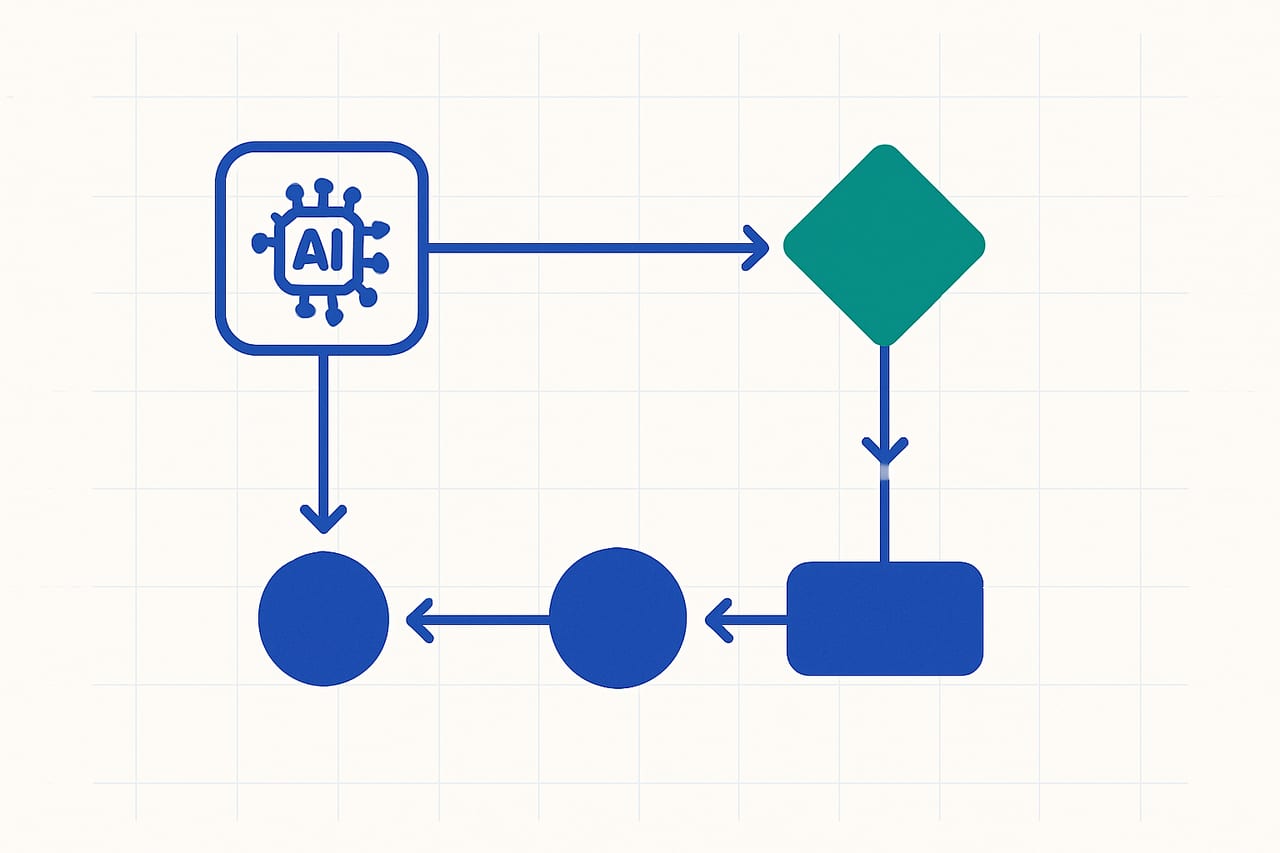
- Model-routing thresholds can drastically cut costs.
- Understanding request complexity is key to effective routing.
- Dynamic thresholds improve performance and user experience.
- Regularly analyze metrics to fine-tune your routing strategy.
The problem
Startups using AI models often face the challenge of escalating requests to frontier models, which can incur significant costs and slow response times. This issue typically surfaces when handling complex queries that exceed the capabilities of standard models, leading to inefficient resource allocation and user dissatisfaction. Founders and engineers must decide when to escalate to avoid unnecessary expenses while maintaining performance.
What we found
A non-obvious insight is that static thresholds often fail to account for the variability in request complexity. By analyzing historical request data, it's possible to identify patterns and dynamically adjust routing thresholds based on real-time metrics. For instance, incorporating request length, token count, and previous response times can yield a more adaptive approach that optimizes both cost and performance.
How to implement it
Start by collecting data on incoming requests, including features like length, complexity, and historical processing times. Use this data to establish a baseline for your routing thresholds. Implement a monitoring system that evaluates the request characteristics in real-time. For example, set thresholds that escalate to frontier models if a request exceeds a certain token count (e.g., >512 tokens) or has a historical failure rate above 10%. Finally, regularly review and adjust these thresholds based on performance metrics and user feedback.
How this makes life easier
By implementing dynamic routing thresholds, startups can significantly reduce costs associated with unnecessary escalations to frontier models. This strategy not only enhances response times by ensuring that simpler requests are handled efficiently but also improves overall system reliability. For instance, startups can expect cost reductions of 30-50% on AI processing while maintaining or even improving user satisfaction.
When not to use dynamic thresholds
While dynamic thresholds can be beneficial, there are scenarios where they may introduce complexity. For instance, in cases where request patterns are extremely unpredictable, static thresholds could provide a simpler and more reliable solution. Additionally, if your team lacks the resources to continuously monitor and adjust the thresholds, it may lead to higher operational overhead without significant benefits.
Figures are industry-typical ranges for these techniques, not guaranteed results — actual numbers depend on your workload.
The solution
Establish a dynamic model-routing threshold system based on real-time analytics to optimize the decision-making process for escalating requests to frontier models. Regularly review and refine these thresholds to adapt to evolving user needs and system performance.
FAQ
How can I identify the right metrics for my thresholds?
What tools can help in monitoring request metrics?
How often should I review my routing thresholds?
Can I automate the adjustment of thresholds?
Want help to cut AI & LLM costs without cutting quality?
This is exactly what our AI & LLM cost engineering work covers. Book a build audit and we'll map it against your real architecture and cost curve.
Book a Build Audit