Cost per User: The Key Metric for Scalable Architecture
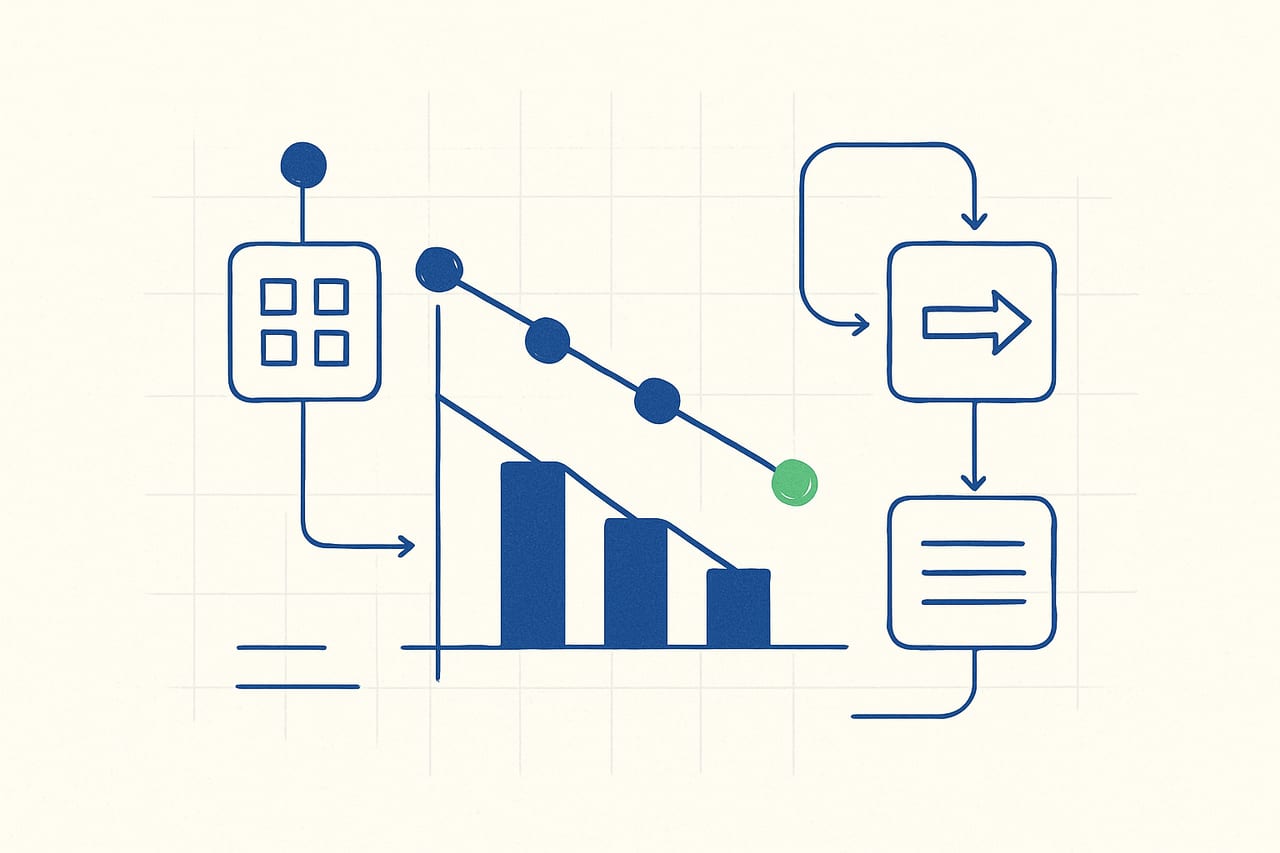
- Cost per user is the ultimate metric for evaluating scalability.
- Microservices can inflate costs if not managed with precision.
- Implementing resource quotas can reduce costs significantly.
- Optimizing API calls can lead to a lower cost per user.
The problem
Startups often face the challenge of scaling their applications while keeping costs manageable. Many founders focus solely on user growth without considering how architecture impacts the cost per user. For instance, a microservices architecture can lead to increased operational costs due to higher inter-service communication and resource overhead, especially when scaling rapidly. This situation can hurt profitability and lead to unsustainable growth if not addressed early.
What we found
A non-obvious insight is that the cost per user metric not only reflects current operational efficiency but also predicts future scalability. By closely monitoring this metric, startups can identify inefficiencies in their architecture, such as excessive API calls or unoptimized service interactions. Furthermore, understanding the correlation between user growth and cost per user can help in making informed architectural decisions that align with long-term business goals.
How to implement it
To effectively monitor cost per user, start by calculating your total infrastructure costs, including cloud services, API usage, and database transactions, then divide this by your active user count. Next, implement resource quotas for microservices to limit runaway costs. For example, set API call limits and response time thresholds, adjusting them based on usage patterns. Additionally, conduct regular audits of your architecture to identify redundant services or inefficient data flows. Utilize tools like AWS Cost Explorer or Google Cloud’s Pricing Calculator to track and optimize your spending.
How this makes life easier
By focusing on cost per user, startups can achieve significant savings and enhance their operational efficiency. For instance, optimizing API calls can reduce costs by 30-50%, depending on usage patterns, while implementing resource quotas can lead to an additional 20-40% reduction in unnecessary spending. This not only improves profitability but also allows for better resource allocation and planning for future growth, leading to a more sustainable business model.
When not to focus solely on cost per user
While cost per user is a critical metric, overemphasizing it can lead to suboptimal decisions, such as cutting essential features that enhance user experience. For example, if reducing API calls leads to slower response times, it could frustrate users and result in churn. Therefore, balance cost management with user experience and feature richness to ensure sustainable growth.
Figures are industry-typical ranges for these techniques, not guaranteed results — actual numbers depend on your workload.
The solution
Startups should prioritize monitoring and optimizing cost per user as a primary metric for architectural decisions. Implement resource quotas, optimize API interactions, and regularly audit your architecture to ensure that growth remains sustainable and profitable.
FAQ
How can I start tracking cost per user effectively?
Begin by calculating all your infrastructure costs and dividing them by active users. Use cloud provider tools for detailed cost insights.
What are common pitfalls in microservices that inflate costs?
Excessive inter-service communication and lack of resource management are typical pitfalls that can lead to inflated costs.
How often should I audit my architecture?
Conduct audits quarterly or after significant changes to ensure that your architecture remains efficient and cost-effective.
Can focusing on cost per user negatively impact user experience?
Yes, if cost-cutting measures compromise performance or features, it can lead to user dissatisfaction and churn.
Want help to map what breaks next before it does?
This is exactly what our scale roadmapping work covers. Book a build audit and we'll map it against your real architecture and cost curve.
Book a Build Audit