Cost per User: Unveiling the True Scalability of Your Architecture
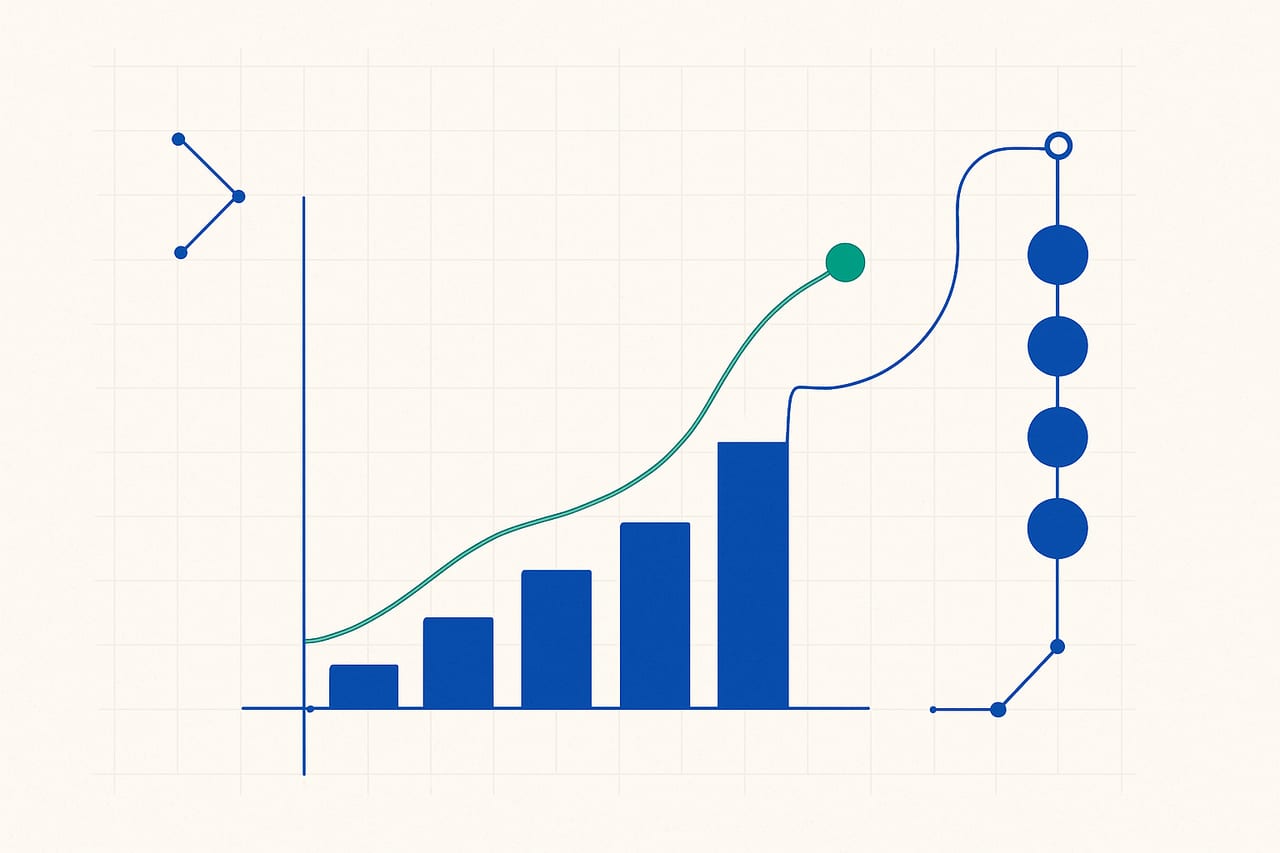
- Cost per user is a critical metric for assessing scalability.
- Microservices can inflate costs if not architected with user growth in mind.
- Implementing automated cost tracking can provide actionable insights.
- Frequent reassessment of architecture is key to maintaining efficiency.
The problem
Startups often struggle to scale their architecture without incurring disproportionate costs. As user bases grow, many founders find their infrastructure costs rise sharply, leading to unsustainable business models. This issue is particularly pronounced in microservices architectures where the complexity of managing services can lead to unexpected expenses and inefficiencies, creating a scenario where the cost per user becomes a critical concern.
What we found
The non-obvious insight here is that many startups overlook the relationship between architectural decisions and the cost per user. By focusing solely on performance metrics like response time or uptime, founders miss how these decisions impact overall cost. For instance, using a multi-cloud strategy may improve resilience but can significantly increase operational costs if not managed effectively, leading to a higher cost per user as the user base expands.
How to implement it
Start by calculating your current cost per user using a detailed breakdown of all operational costs, including cloud services, development resources, and maintenance. Next, implement automated cost tracking tools such as CloudHealth or AWS Cost Explorer to monitor expenses in real-time. Regularly review service usage and eliminate underutilized resources, such as idle instances or over-provisioned services, which can skew your cost per user. Finally, conduct architectural reviews quarterly to assess the impact of scaling decisions on your cost structure.
How this makes life easier
By focusing on the cost per user, you can proactively manage your infrastructure to ensure it scales efficiently. This not only helps control costs but also enhances predictability in budgeting as your user base grows. Additionally, a clear understanding of this metric allows you to make informed decisions about scaling services, ultimately leading to improved performance and user satisfaction without sacrificing profitability.
When to rethink your architecture
If your cost per user begins to spike unexpectedly, it's a signal to reassess your architectural choices. For example, if microservices are leading to excessive inter-service communication costs or if your database queries are becoming a bottleneck, it may be time to consider consolidating services or optimizing database access patterns. Additionally, during periods of rapid user growth, be wary of scaling solutions that could introduce latency, which can further inflate costs.
Figures are industry-typical ranges for these techniques, not guaranteed results — actual numbers depend on your workload.
The solution
To act on this insight, implement a robust cost per user tracking system alongside your growth metrics. Regularly analyze this data to inform architectural decisions, ensuring that your infrastructure evolves in a way that supports scalable growth without unnecessary cost increases.
FAQ
How can I calculate my cost per user effectively?
Start by aggregating all operational costs related to infrastructure, development, and support. Then, divide this total by the number of active users to get your cost per user. Tools like AWS Cost Explorer can help automate this process.
What are the signs that my architecture isn't scaling well?
Look for sudden spikes in operational costs, increased latency, and user complaints about performance. If your cost per user is rising without a corresponding increase in user satisfaction or growth, it's time to investigate.
What tools can help me monitor costs effectively?
Consider using cloud cost management tools like CloudHealth, AWS Budgets, or Azure Cost Management. These tools provide insights into resource usage and can help identify areas for cost optimization.
Is it better to stick with a monolithic architecture for cost reasons?
Not necessarily. While monolithic architectures can simplify cost management, they may limit scalability and flexibility. A well-architected microservices approach can be cost-effective if designed with user growth and resource optimization in mind.
Want help to map what breaks next before it does?
This is exactly what our scale roadmapping work covers. Book a build audit and we'll map it against your real architecture and cost curve.
Book a Build Audit