Decoupling AI Calls: When to Implement a Queue
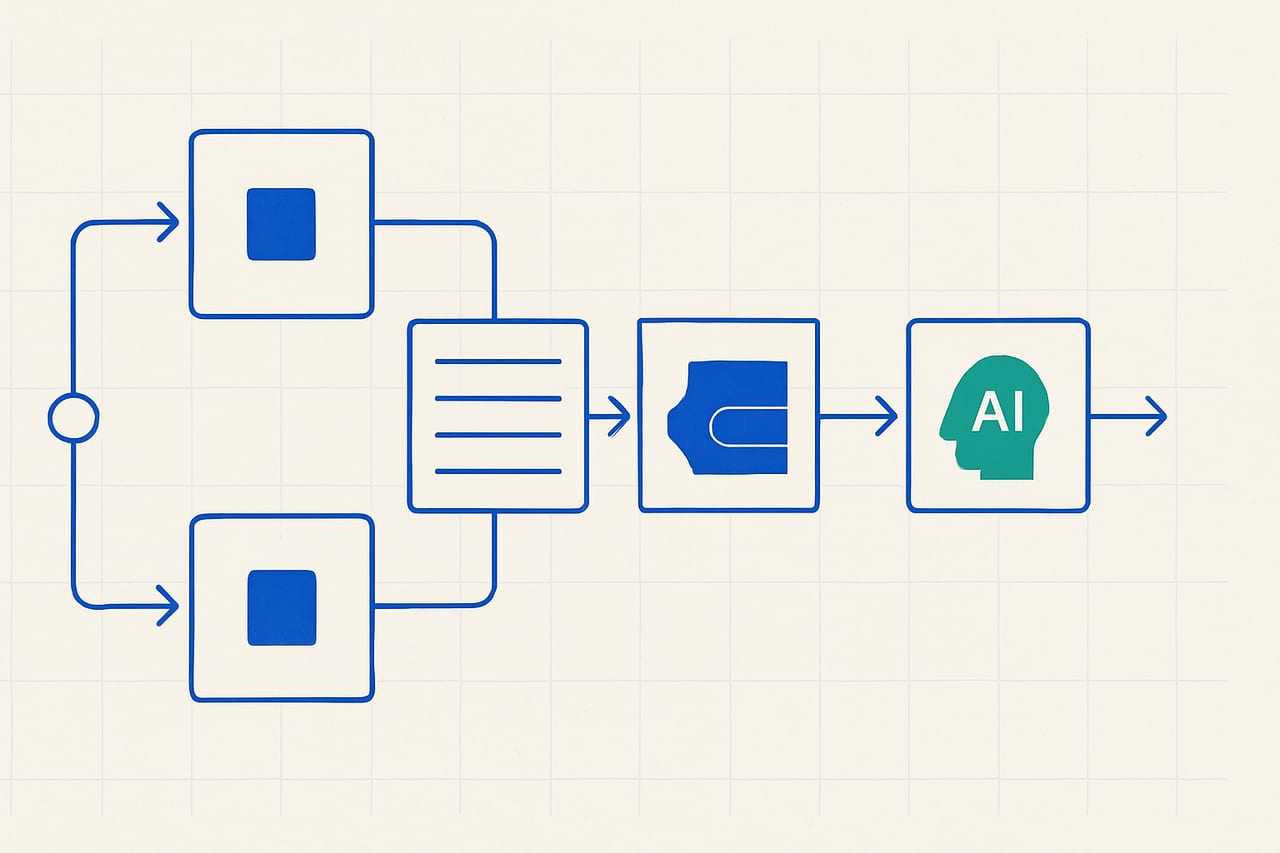
- Decoupling AI calls can reduce latency spikes significantly.
- Queues help manage unpredictable AI response times effectively.
- Implementing a queue can improve overall system reliability.
- Choosing the right queue technology is crucial for performance.
The problem
As startups integrate AI capabilities into their services, they often encounter latency issues stemming from AI model calls. These calls can vary in response time, sometimes taking several seconds, which can bottleneck the entire request path. Founders and engineers face the challenge of maintaining a responsive user experience while relying on these unpredictable AI services. If not managed, this can lead to high abandonment rates and user dissatisfaction.
What we found
Introducing a queue into the architecture can effectively decouple slow AI calls from the request path. This allows for asynchronous processing, where user requests are acknowledged immediately, and AI responses are processed in the background. Surprisingly, many teams delay this implementation, thinking it adds complexity, yet the reality is that it can simplify error handling and improve user experience by managing response times more gracefully.
How to implement it
Begin by assessing your current request handling flow to identify latency issues caused by AI calls. Next, choose a queuing technology that fits your stack; options like RabbitMQ or AWS SQS are popular for their reliability and scalability. Implement an asynchronous worker service that consumes messages from the queue, processes the AI calls, and returns the results. Ensure to set up monitoring tools to track queue length and processing times. Finally, update your API to return an immediate response while providing a mechanism for the client to check the status of their request.
How this makes life easier
By decoupling AI calls with a queue, your application can handle spikes in traffic without degrading performance. This leads to reduced latency for end-users as they no longer wait for slow AI responses. Additionally, it enhances reliability; if an AI service fails, the queued requests can be retried without affecting user experience. Overall, this architecture promotes a more resilient system capable of scaling with demand.
Potential pitfalls of queuing
While queues offer significant benefits, they also introduce complexity. Developers must manage the queue's health and monitor metrics such as message processing time and error rates. If not implemented correctly, queues can become a bottleneck themselves, leading to increased latency. Additionally, consider the trade-off between immediate user feedback and potential delays in receiving AI results, as this may affect user expectations.
Figures are industry-typical ranges for these techniques, not guaranteed results — actual numbers depend on your workload.
The solution
To enhance your application's performance and user experience, implement a queuing mechanism for AI calls. This strategic decoupling will allow your system to handle requests more efficiently, ensuring that users remain engaged even during latency spikes.
FAQ
What queue technology should I choose?
Consider your existing stack; RabbitMQ is great for complex routing, while AWS SQS offers simplicity and scalability. Evaluate your team's familiarity with these tools.
How do I monitor the queue's performance?
Implement monitoring solutions like Prometheus or Grafana to track metrics such as queue length, processing times, and error rates. Set alerts for unusual patterns.
Will this increase my infrastructure costs?
While there may be additional costs for the queue service, the improvement in user retention and reduced latency can lead to a net gain in revenue.
Want help to build a backend structured to scale?
This is exactly what our backend & API development work covers. Book a build audit and we'll map it against your real architecture and cost curve.
Book a Build Audit