Designing Graceful Degradation for LLM Rate Limits
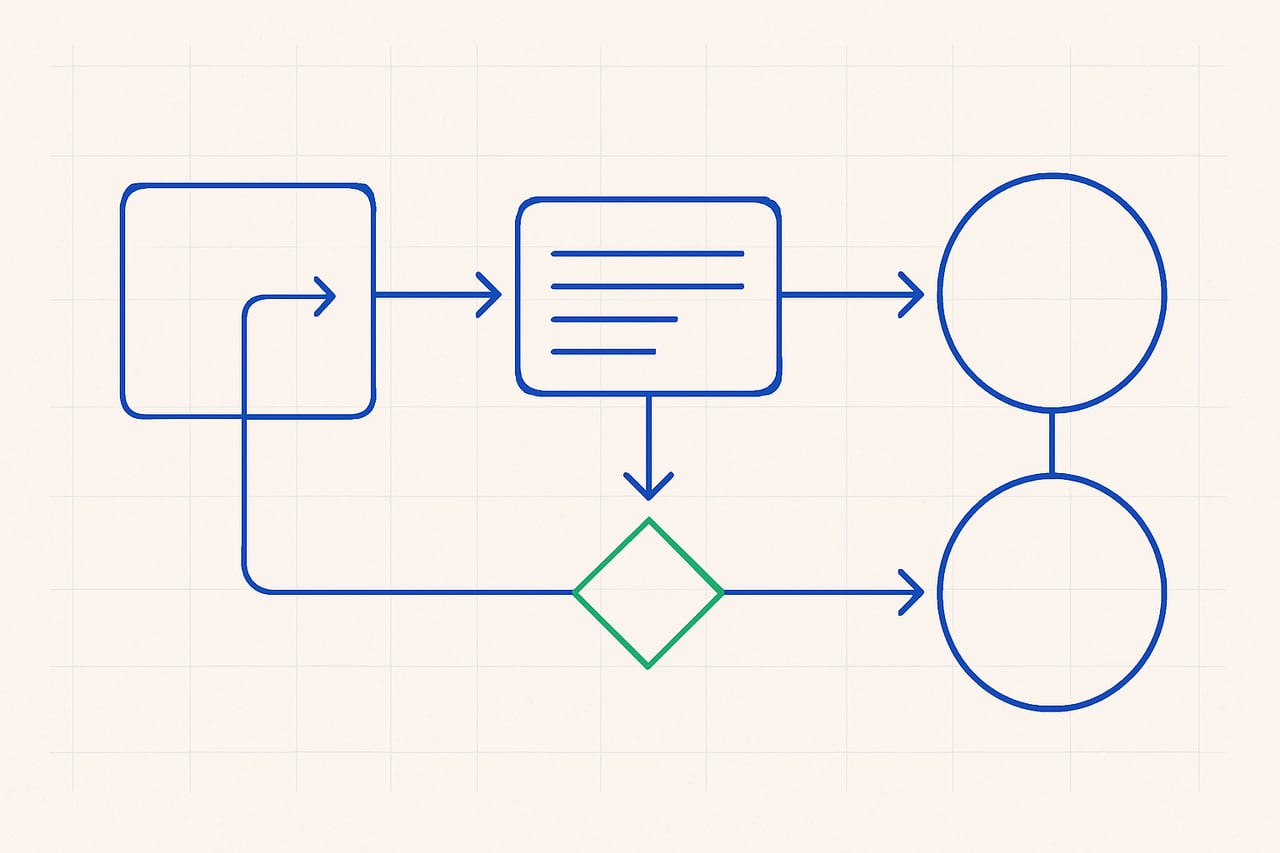
- Implement fallback responses to maintain user engagement.
- Use caching mechanisms to reduce LLM calls during outages.
- Establish alerting systems for LLM performance degradation.
- Balance the trade-offs between user experience and cost efficiency.
The problem
Startups leveraging LLMs often face sudden rate limits or service outages from their providers, which can severely disrupt user experience and operational continuity. For instance, during peak usage, an LLM API may enforce rate limits that throttle response times, leading to timeouts or degraded service quality. This situation is particularly painful for startups aiming to deliver seamless user experiences, as it can result in lost users and revenue.
What we found
A key insight is that many startups underestimate the value of implementing fallback mechanisms and caching strategies. By designing systems that can intelligently degrade gracefully, businesses can maintain functionality even when LLM services are under duress. This approach not only mitigates user frustration but also optimizes operational costs by reducing unnecessary API calls during peak times.
How to implement it
Begin by identifying critical user interactions that rely on LLM responses. For these interactions, implement a fallback response mechanism that provides users with useful information or an alternative action when LLM calls fail. Next, establish a caching layer using Redis or Memcached to store recent LLM responses for commonly asked queries. This can reduce the number of API calls by up to 70% during peak loads. Additionally, set up monitoring and alerting for LLM API usage to detect when you are approaching rate limits, allowing for preemptive action.
How this makes life easier
By implementing these strategies, startups can significantly improve their service reliability. The caching mechanism not only reduces API costs by minimizing calls but also enhances response times for users, leading to a smoother experience. Furthermore, having fallback responses ensures that users remain engaged even during service disruptions, which can increase retention and satisfaction rates.
Trade-offs and pitfalls
While implementing graceful degradation strategies can save costs and improve reliability, it is essential to balance between user experience and system complexity. Over-reliance on cached responses can lead to stale data being presented to users. Additionally, fallback mechanisms must be carefully crafted to ensure they do not frustrate users with irrelevant or unhelpful alternatives. Regularly reviewing and updating these strategies is crucial to maintaining a high-quality user experience.
Figures are industry-typical ranges for these techniques, not guaranteed results — actual numbers depend on your workload.
The solution
To ensure your startup's resilience against LLM rate limits and outages, implement a combination of caching strategies, fallback mechanisms, and proactive monitoring. This multi-faceted approach will enhance user experience while optimizing operational costs.
FAQ
What if our LLM provider has frequent outages?
Consider diversifying your LLM usage across multiple providers or using smaller, specialized models as fallbacks.
How do we determine which queries to cache?
Analyze usage patterns to identify the most frequent queries and prioritize caching for those to maximize efficiency.
What tools can help monitor LLM API usage?
Utilize tools like Prometheus for monitoring and Grafana for visualizing API usage metrics to stay informed about performance.
How often should we review our fallback mechanisms?
Regularly review and update fallback responses based on user feedback and changes in usage patterns to ensure relevance.
Want help to cut AI & LLM costs without cutting quality?
This is exactly what our AI & LLM cost engineering work covers. Book a build audit and we'll map it against your real architecture and cost curve.
Book a Build Audit