Designing Resilient LLM Integrations Against Downtime
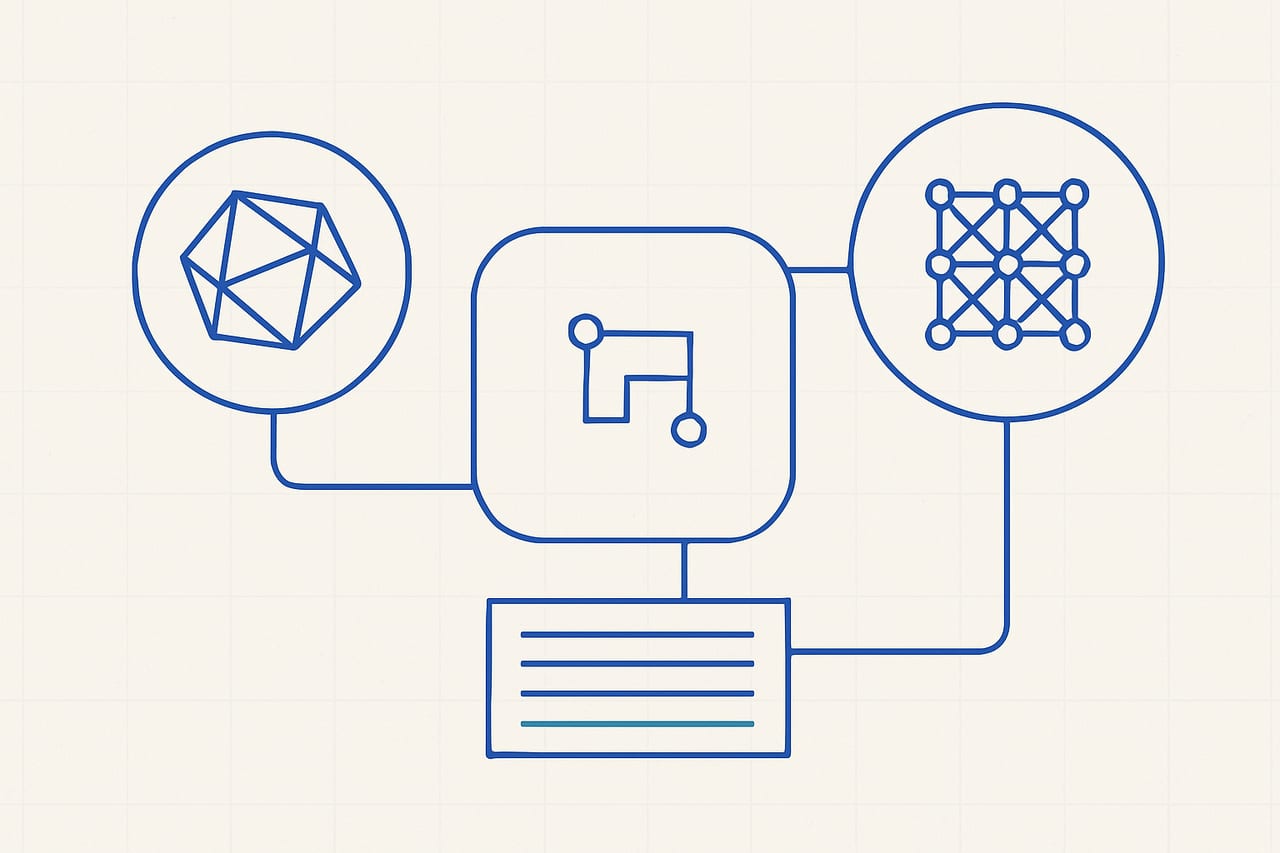
- Implement circuit breakers to handle LLM outages gracefully.
- Fallback mechanisms can reduce user frustration during downtimes.
- Prioritize local inference models for critical tasks.
- Graceful degradation can enhance user trust and retention.
The problem
Startups leveraging large language models (LLMs) often face significant challenges when their LLM provider imposes rate limits or experiences outages. These situations can lead to application failures, degraded user experiences, and ultimately, lost revenue. For instance, a real-time customer support solution relying on LLMs could leave users without assistance during peak hours, leading to dissatisfaction and churn.
What we found
A non-obvious insight is that many startups overlook the potential of hybrid architectures, which allow for a combination of LLMs and local models or cached responses. This approach not only mitigates the impact of rate limits but also provides a buffer against service interruptions. By implementing a strategy that prioritizes local inference for critical tasks, startups can maintain functionality even when external LLM services are not available.
How to implement it
1. Begin by identifying critical user journeys that rely on LLM responses. For each journey, evaluate the potential impact of LLM outages. 2. Implement circuit breakers that can detect rate limits or failures in LLM responses. These should trigger fallback logic to either a cached response, a simpler local model, or a pre-defined static response. 3. Develop a caching strategy for frequently requested prompts and their responses to reduce dependency on real-time LLM calls. Use a TTL (Time-To-Live) approach for cache entries to ensure freshness. 4. For less critical tasks, consider utilizing a queueing mechanism to buffer requests that can be processed later, avoiding immediate failures during peak loads.
How this makes life easier
By designing for graceful degradation, startups can significantly enhance user experience and trust. During LLM outages, users may still receive relevant information or assistance, reducing frustration and potential churn. Additionally, implementing these strategies can lead to lower costs by minimizing unnecessary API calls during peak times and leveraging cached responses for high-frequency requests.
Trade-offs in Implementation
While implementing these strategies can greatly enhance resilience, there are trade-offs to consider. Local models may not provide the same performance or accuracy as LLMs, which can lead to a compromise in quality for some applications. Additionally, maintaining a caching layer introduces complexity and requires careful monitoring to ensure that stale data does not impact user experience.
Figures are industry-typical ranges for these techniques, not guaranteed results — actual numbers depend on your workload.
The solution
To effectively manage LLM rate limits and outages, implement a hybrid architecture that combines circuit breakers, local inference models, and caching strategies. This approach will not only enhance reliability but also improve overall user satisfaction and reduce costs during peak usage.
FAQ
What if my local model is less accurate than the LLM?
Consider using local models for simpler tasks where high accuracy is less critical. You can also improve local models iteratively based on user feedback.
How do I determine which requests to cache?
Start by analyzing your most frequent and time-sensitive requests. Focus on caching responses that are stable over time and provide significant user value.
Is it worth investing in a local model?
Yes, especially if your application relies heavily on LLMs for critical functionalities. The investment can pay off in reliability and cost savings.
What monitoring tools should I use?
Utilize APM tools like New Relic or Datadog to monitor API response times, error rates, and cache hit/miss ratios to optimize your architecture continuously.
Want help to cut AI & LLM costs without cutting quality?
This is exactly what our AI & LLM cost engineering work covers. Book a build audit and we'll map it against your real architecture and cost curve.
Book a Build Audit