Designing Sharding-Ready IDs for Cost-Effective Scalability
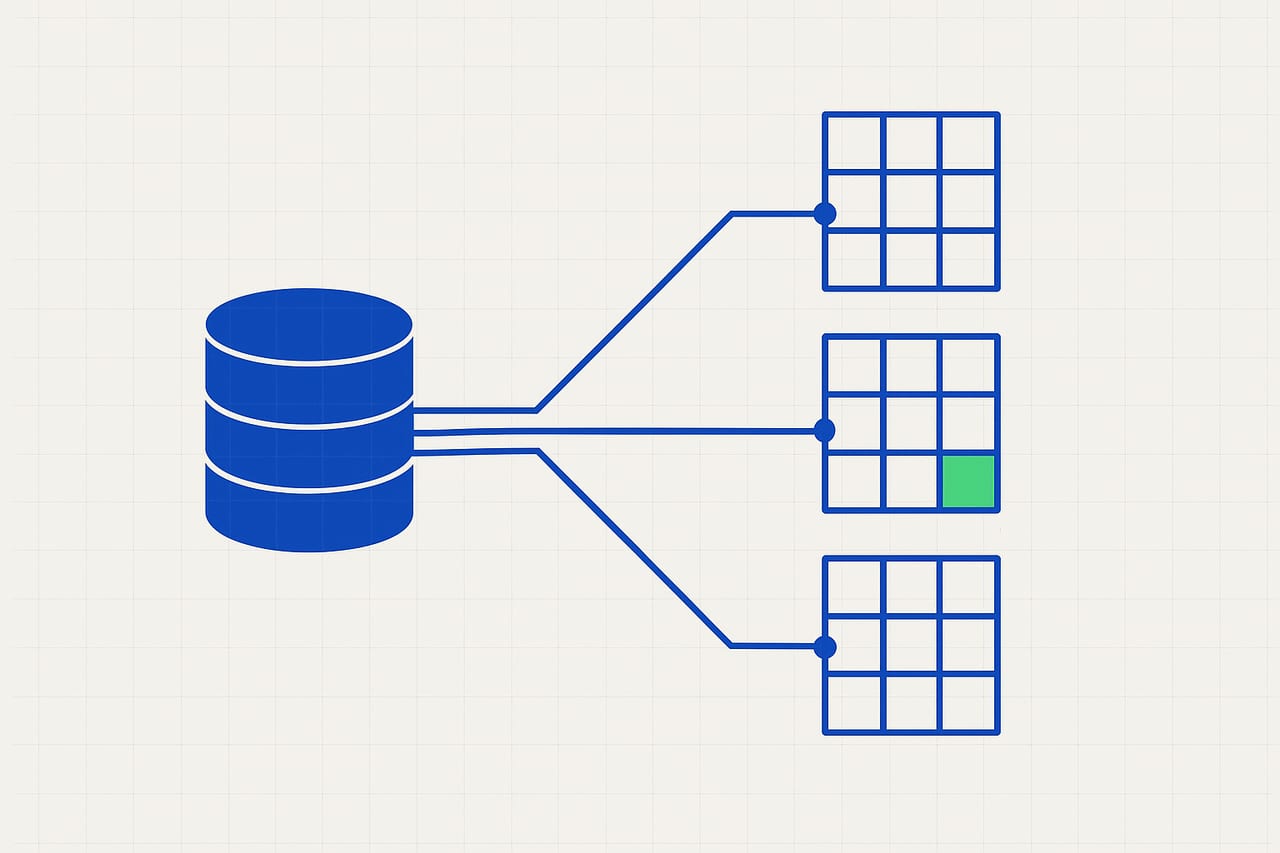
- Design IDs with sharding in mind to avoid costly refactors later.
- Utilize composite keys to improve distribution and access patterns.
- Plan your database schema to support horizontal scaling effortlessly.
- Adopt hashing techniques for uniform data distribution across shards.
The problem
Startups often face rapid growth that necessitates sharding. However, many founders design their database IDs without considering future sharding, leading to expensive migrations and downtime. When a system reaches capacity, the need to shard can introduce significant engineering overhead, resulting in delayed feature releases and increased operational costs.
What we found
The non-obvious insight is that a thoughtful design of IDs and keys can facilitate sharding without requiring extensive rework. By employing strategies like composite keys and consistent hashing, you can create a database architecture that is inherently sharding-ready. This proactive approach not only reduces technical debt but also simplifies scaling efforts as your user base expands.
How to implement it
Begin by defining your ID generation strategy. Use UUIDs or a sequence-based approach, ensuring that IDs are unique across various shards. Next, design composite keys by combining user IDs with timestamps or other attributes to enhance distribution. Implement consistent hashing to segment your data effectively; for instance, hashing user IDs can help evenly distribute users across shards. Finally, create a sharding map that outlines how data will be partitioned, ensuring that you can easily add new shards without major changes to your application logic.
How this makes life easier
By designing your IDs and keys with sharding in mind, you save significant time and resources during scaling. This approach reduces the risk of bottlenecks and operational disruptions, leading to improved system reliability. Additionally, it allows your engineering team to focus on feature development rather than firefighting scaling issues, ultimately enhancing productivity and reducing costs associated with downtime.
Trade-offs and potential pitfalls
One potential pitfall is over-engineering your ID strategy early on. While it’s crucial to prepare for sharding, overly complex ID schemes can add unnecessary overhead and complicate debugging. Additionally, if your initial user base is small, the upfront costs of implementing a sophisticated sharding strategy might not provide immediate benefits. It's essential to balance the need for future scalability with the simplicity of your initial design.
Figures are industry-typical ranges for these techniques, not guaranteed results — actual numbers depend on your workload.
The solution
Adopt a sharding-ready approach for ID and key design from day one. Implement composite keys and consistent hashing techniques to ensure your architecture can scale efficiently as your user base grows.
FAQ
What are the risks of not planning for sharding?
Not planning for sharding can lead to significant technical debt, requiring costly migrations and potential downtime as your data grows.
How can I tell if my ID strategy is sharding-ready?
Evaluate if your IDs can easily support partitioning and distribution without major changes. If they can't, consider revising your approach.
What tools can help with sharding implementation?
Consider using database solutions like MongoDB or PostgreSQL with sharding capabilities, along with tools like Vitess for managing sharded MySQL databases.
Want help to map what breaks next before it does?
This is exactly what our scale roadmapping work covers. Book a build audit and we'll map it against your real architecture and cost curve.
Book a Build Audit