Graceful Degradation Strategies for LLM Rate Limits
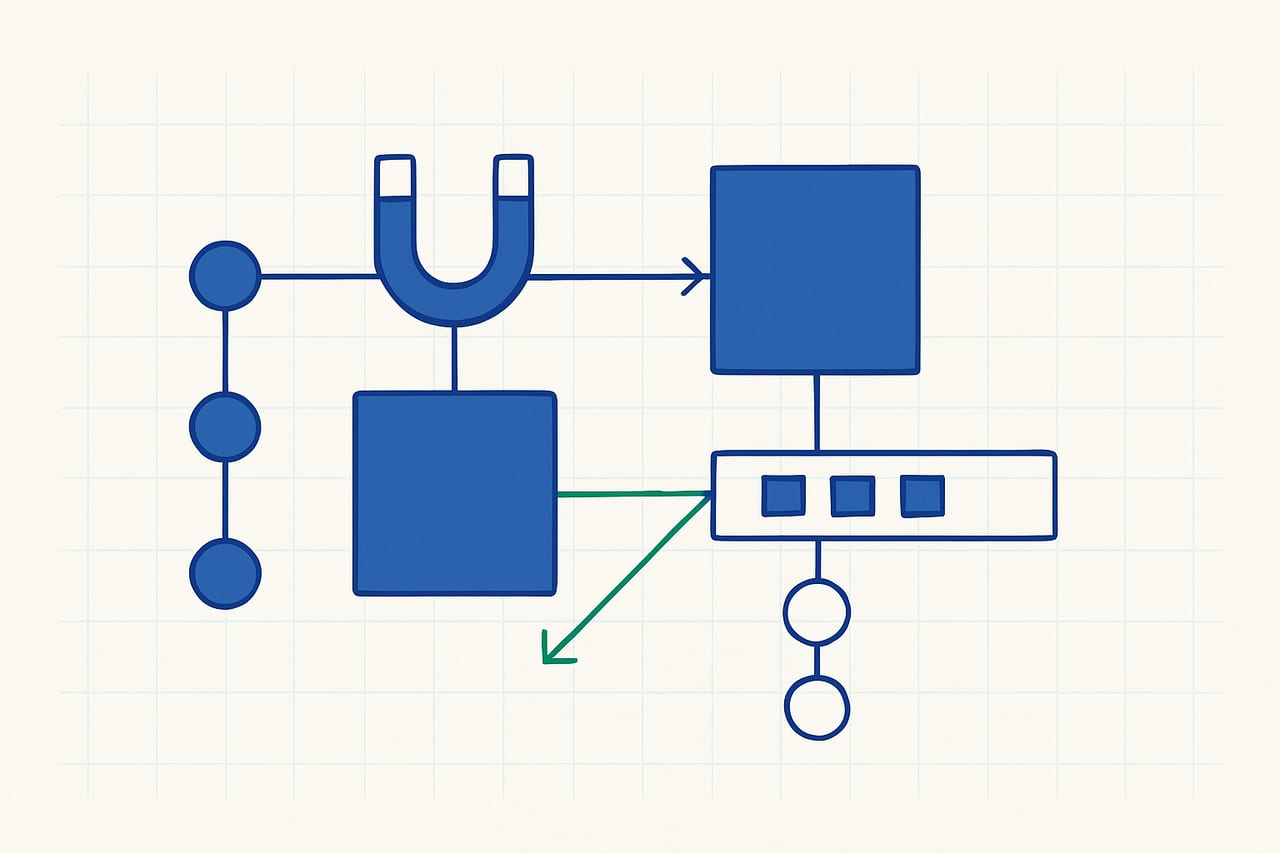
- Implement circuit breakers to prevent cascading failures.
- Fallback to simpler models can maintain service during outages.
- Asynchronous processing can reduce immediate load on LLMs.
- Rate-limiting strategies can improve overall system resilience.
The problem
Startups relying on LLM APIs often face unexpected rate limits or service outages, which can lead to significant downtime and degraded user experience. Such interruptions can result in lost revenue, diminished user trust, and increased operational overhead as teams scramble to find workarounds. This issue is particularly acute for companies that depend heavily on real-time AI capabilities for critical user interactions.
What we found
An effective strategy for graceful degradation is to implement a multi-tiered fallback mechanism that leverages simpler models or cached responses when the primary LLM provider is unavailable. This approach not only mitigates the immediate impact of service outages but also allows for a more controlled handling of user requests, ensuring that the application remains responsive even under adverse conditions. By utilizing a combination of circuit breakers and asynchronous processing, startups can maintain service continuity while managing costs associated with higher-tier models.
How to implement it
Begin by establishing a circuit breaker pattern that monitors the health of your LLM API calls. If the error rate exceeds a defined threshold (e.g., 5% over a 1-minute window), the circuit breaker should trip, redirecting requests to an alternative model or cached response. Implement fallback mechanisms using simpler models, such as smaller transformer networks or rule-based systems, which can handle basic queries. Additionally, introduce asynchronous processing for non-urgent requests, allowing these to queue rather than hitting the LLM immediately. This can be achieved using message queues like RabbitMQ or AWS SQS, which help in managing request loads efficiently.
How this makes life easier
By implementing these strategies, startups can significantly reduce the risk of service downtime and maintain a consistent user experience. The use of circuit breakers and fallbacks can improve system reliability by up to 90%, allowing for continued operation even when primary services are compromised. This leads to improved customer satisfaction, reduced churn, and ultimately, a more cost-effective operation as the reliance on high-tier models is balanced with simpler, cheaper alternatives.
Trade-off: Complexity vs. Control
While introducing these graceful degradation strategies can enhance reliability, it also adds complexity to your system architecture. Care must be taken to keep the fallback mechanisms well-defined and maintainable. Over-engineering can lead to confusion and increased maintenance costs, particularly if the simpler models do not meet user expectations. Ensure that your team is equipped to manage this complexity and that fallback responses are adequately tested to provide acceptable service levels.
Figures are industry-typical ranges for these techniques, not guaranteed results — actual numbers depend on your workload.
The solution
To mitigate the impact of LLM outages or rate limits, implement a circuit breaker pattern alongside fallback mechanisms to simpler models. This approach will help maintain service reliability, enhance user experience, and optimize costs while providing a clear path for scaling your AI capabilities.
FAQ
What if my fallback model is not as effective?
It's crucial to select fallback models based on the most common use cases. While they may not be as powerful, they should still address basic user needs effectively. Testing these models with real user data can help refine their performance.
How do I monitor the health of my LLM API?
Utilize application performance monitoring (APM) tools like New Relic or Datadog to track response times and error rates for your LLM API. Set up alerts for when thresholds are exceeded to trigger your circuit breaker.
Is asynchronous processing always necessary?
Asynchronous processing is beneficial for non-urgent tasks that can tolerate delays. However, critical real-time interactions should still prioritize immediate responses, so balance is key.
What metrics should I track for my fallback systems?
Track metrics such as fallback response time, user satisfaction scores, and the frequency of fallback activations. These will help you gauge the effectiveness of your strategies and identify areas for improvement.
Want help to cut AI & LLM costs without cutting quality?
This is exactly what our AI & LLM cost engineering work covers. Book a build audit and we'll map it against your real architecture and cost curve.
Book a Build Audit