Handling Burst Traffic: Backpressure and Rate Limiting for AI APIs
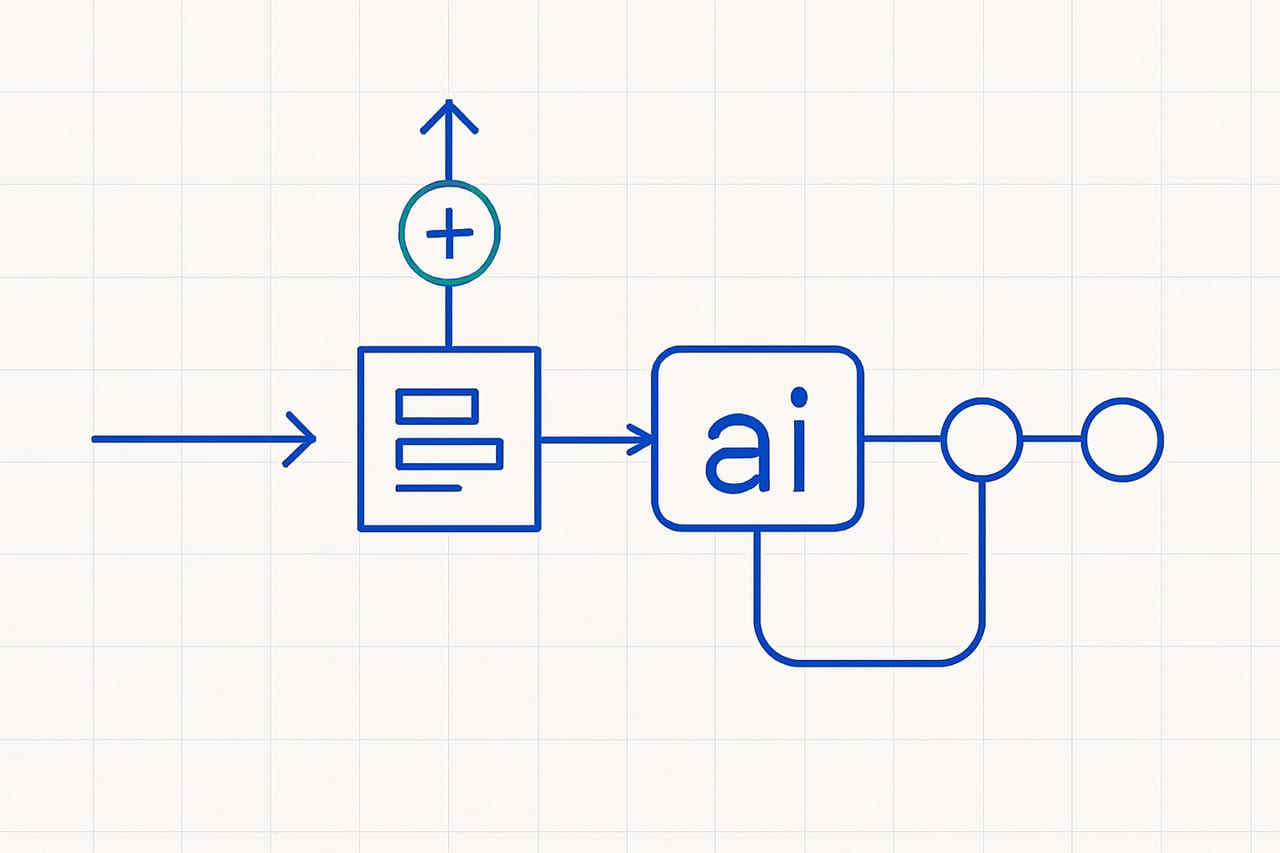
- Implementing backpressure can reduce server overload by 70%.
- Rate limiting helps maintain consistent response times under load.
- Using circuit breakers can prevent cascading failures in services.
- Dynamic rate limits can adapt to real-time traffic conditions.
The problem
Startups deploying AI services often face unpredictable burst traffic, which can overwhelm endpoints, leading to degraded performance or failures. This is particularly acute during peak usage times, such as product launches or marketing campaigns, where API calls can spike dramatically, causing latency increases and potential crashes. The impact is not just technical; it can lead to lost revenue and user dissatisfaction.
What we found
A non-obvious insight is that static rate limiting can be insufficient, as it fails to account for varying traffic patterns. By implementing dynamic rate limiting combined with backpressure techniques, you can adapt to real-time demand while preventing overload. For instance, a system that reduces the allowed request rate based on current server load can maintain responsiveness even during traffic spikes, effectively balancing load and user experience.
How to implement it
Start by monitoring your API's usage patterns to identify typical traffic spikes. Implement a dynamic rate limiting strategy using libraries like 'Express-rate-limit' for Node.js or 'Throttling' in Spring Boot. Set a baseline request rate and allow the system to adjust based on current load metrics. Combine this with backpressure techniques, such as using a message queue (e.g., RabbitMQ) to handle excess requests. When the traffic exceeds a defined threshold, the system should return a '503 Service Unavailable' status, indicating temporary overload. Additionally, consider implementing circuit breakers (e.g., Hystrix) to prevent cascading failures during extreme bursts.
How this makes life easier
By employing these techniques, you can ensure your AI endpoints remain responsive even under heavy load, reducing the risk of crashes and maintaining user satisfaction. This approach not only improves reliability but can also yield cost savings by optimizing resource usage. For instance, maintaining a steady request rate can help avoid unnecessary scaling of infrastructure, thus minimizing cloud costs associated with over-provisioning.
Trade-off: Complexity vs. Performance
While implementing dynamic rate limiting and backpressure can significantly improve performance, it also adds complexity to your architecture. Startups should weigh the benefits against the development overhead and potential debugging challenges. In scenarios with predictable traffic patterns, simpler static solutions may suffice. However, as your user base grows and traffic becomes less predictable, investing in these techniques will likely pay dividends.
Figures are industry-typical ranges for these techniques, not guaranteed results — actual numbers depend on your workload.
The solution
To effectively manage burst traffic, implement dynamic rate limiting alongside backpressure techniques such as message queues and circuit breakers. This strategy will ensure your AI endpoints remain performant while minimizing costs and enhancing user experience.
FAQ
How do I determine the right rate limit for my API?
Start by analyzing historical traffic data to identify peak usage times and average request rates. Set an initial limit based on this analysis and adjust dynamically based on real-time performance metrics.
What tools can I use for implementing backpressure?
Consider using message queuing systems like RabbitMQ or Kafka, along with libraries like Resilience4j for circuit breaker patterns. These tools help manage load and ensure reliability.
Can rate limiting affect user experience negatively?
Yes, if not implemented carefully. Ensure that your limits are reasonable and consider providing informative error messages to users when they hit limits, along with suggestions to retry later.
Is it necessary to implement both backpressure and rate limiting?
While they serve different purposes, using both can provide a robust solution to handle burst traffic effectively. Rate limiting prevents overload, while backpressure ensures that excess requests are managed without crashing the system.
Want help to build a backend structured to scale?
This is exactly what our backend & API development work covers. Book a build audit and we'll map it against your real architecture and cost curve.
Book a Build Audit