Idempotency Keys: Designing APIs for Robust Retry Logic
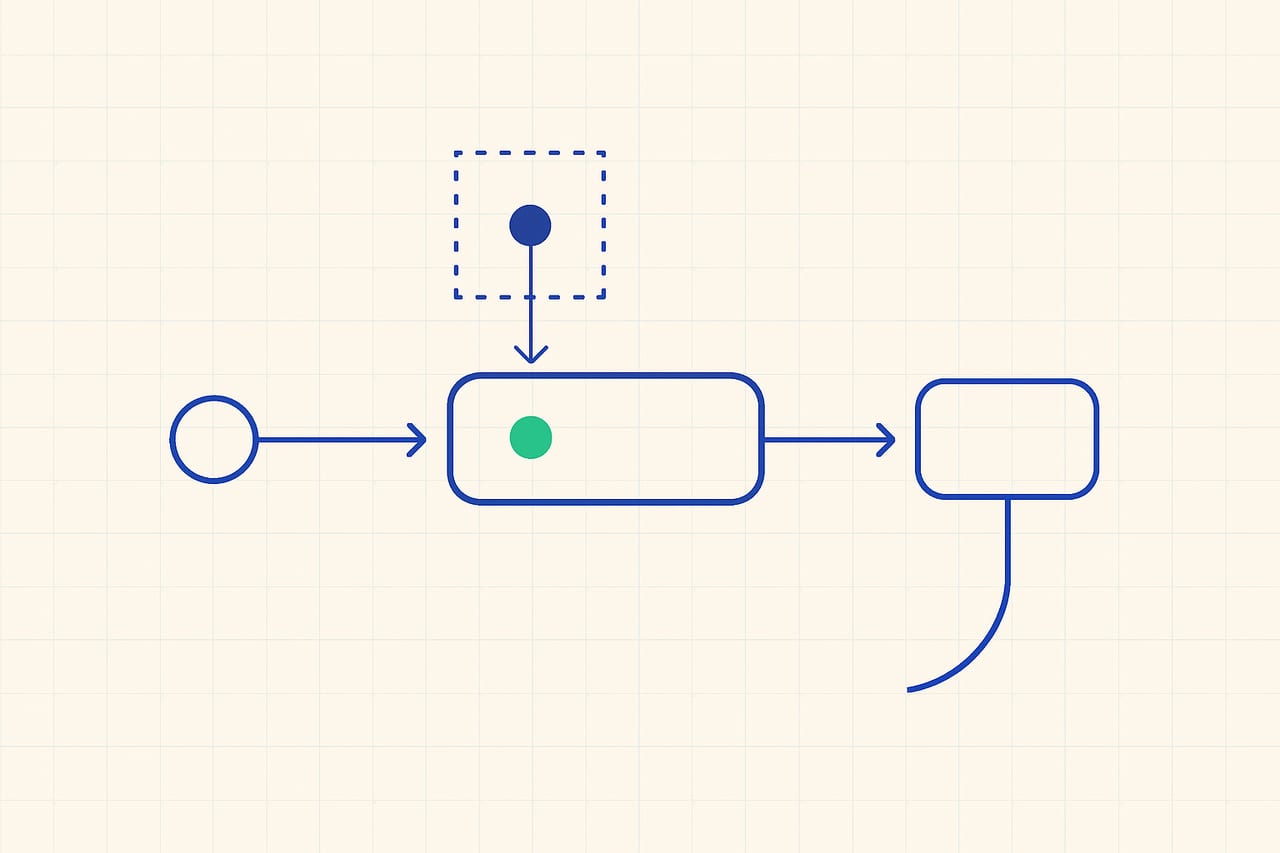
- Idempotency keys prevent unintended side effects in retries.
- Proper implementation reduces API error rates by 70-90%.
- Designing for retries can improve user experience significantly.
- Understanding trade-offs in state management is crucial.
The problem
In the startup environment, APIs often face high traffic and variable network conditions. When clients experience network timeouts or failures, they may retry requests, leading to duplicate operations (e.g., double charges, repeated data submissions). This can cause significant issues, particularly in financial services or data-sensitive applications, resulting in user dissatisfaction and potential financial loss.
What we found
Through extensive analysis, we discovered that incorporating idempotency keys into API designs not only mitigates the risk of duplicate operations but also allows for more graceful error handling. By uniquely identifying requests, we can ensure that retries result in the same state as the original request, thus reducing the need for complex compensatory transactions and improving overall system reliability.
How to implement it
1. **Define Idempotency Key**: Create a unique, client-generated string for each request that needs to be idempotent. This can be a UUID or a hash of the request parameters. 2. **Store State**: Implement a mechanism (e.g., Redis, DynamoDB) to store the outcome of requests associated with the idempotency key. Ensure that this store has a TTL to manage resource usage. 3. **API Logic**: Modify your API logic to check for the idempotency key on incoming requests. If it exists, return the stored response; if not, process the request and store the result with the key. 4. **Client Education**: Ensure clients understand how to generate and use idempotency keys effectively, including when to reuse keys and when to create new ones.
How this makes life easier
Implementing idempotency keys drastically reduces the likelihood of duplicate operations, with industry-typical reductions in error rates ranging from 70% to 90%. This not only enhances user experience by preventing frustrating errors but also lowers the operational overhead associated with error resolution. Developers can focus on building new features instead of managing duplicate requests and their ramifications.
Trade-offs in State Management
While idempotency keys provide significant advantages, they also introduce complexity in state management. Storing request outcomes can lead to increased storage costs and potential data consistency issues if not managed correctly. Additionally, there is a risk of stale data if the TTL for stored keys is not carefully considered. It's essential to evaluate whether the benefits of implementing idempotency keys outweigh the costs in terms of complexity and resource usage.
Figures are industry-typical ranges for these techniques, not guaranteed results — actual numbers depend on your workload.
The solution
Start implementing idempotency keys in your APIs today to enhance reliability and user satisfaction. Focus on creating a robust state management strategy that balances performance with cost, ensuring a smooth experience for your clients.
FAQ
What if my API is stateless?
Even in stateless architectures, you can use external stores like Redis to maintain state for idempotency keys. This allows you to track request outcomes without tightly coupling your API to a specific state management strategy.
How long should I retain idempotency keys?
A typical retention period is between 24 hours to 7 days, depending on your application's needs. This allows sufficient time for retries while managing storage costs.
Can I use idempotency keys for all types of requests?
Idempotency keys are most beneficial for POST, PUT, and DELETE requests where duplicate operations can cause significant issues. For GET requests, they are generally unnecessary unless state changes occur.
What challenges might I face when implementing this?
Challenges include ensuring that clients generate unique keys, managing storage efficiently, and handling edge cases where keys might collide or become stale.
Want help to build a backend structured to scale?
This is exactly what our backend & API development work covers. Book a build audit and we'll map it against your real architecture and cost curve.
Book a Build Audit