Managing Burst Traffic with Backpressure and Rate Limiting
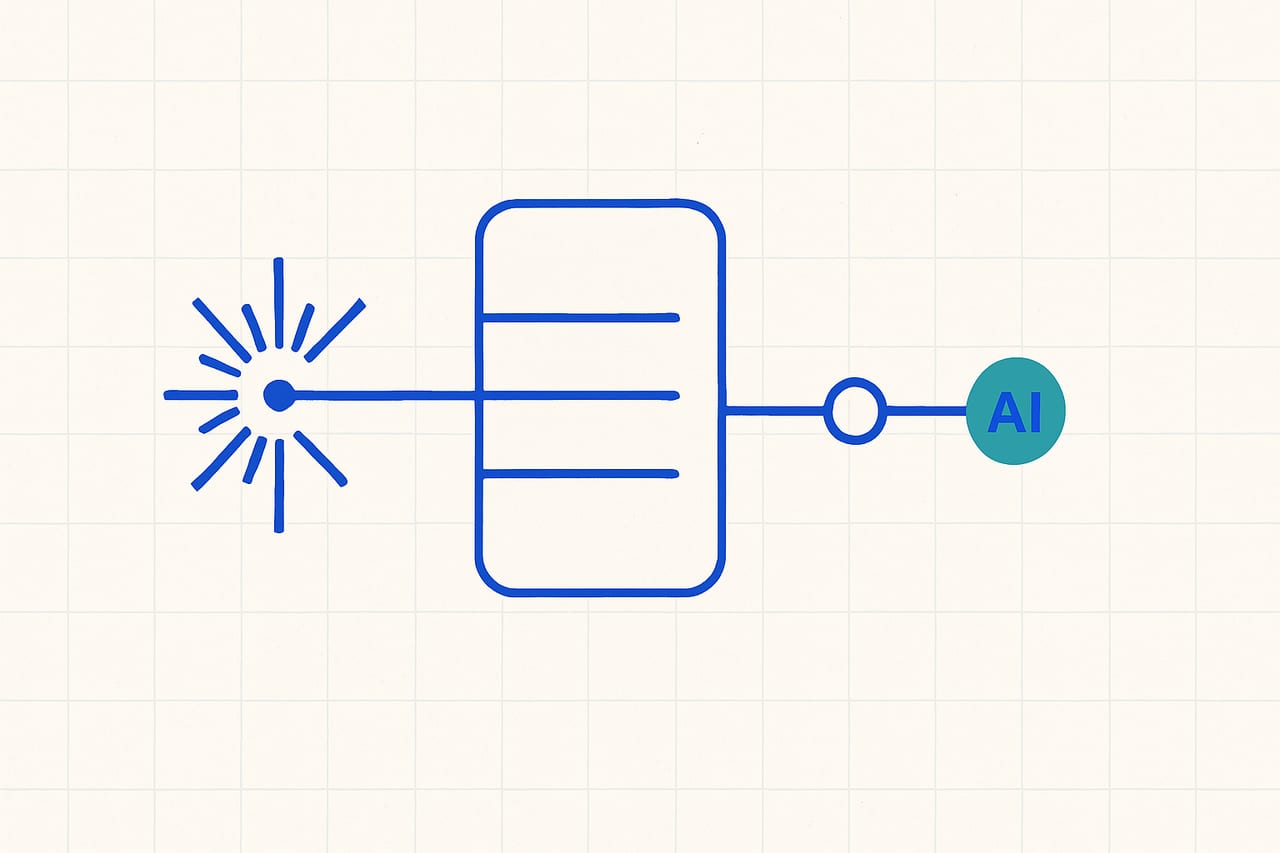
- Implementing backpressure can reduce API failure rates.
- Rate limiting can optimize resource utilization under load.
- Using circuit breakers can prevent cascading failures.
- Dynamic adjustment of limits enhances user experience.
The problem
Startups leveraging AI endpoints often face burst traffic scenarios during product launches or marketing campaigns. These spikes can overwhelm services, leading to increased latency, errors, and ultimately, customer dissatisfaction. When an AI model is called upon to process requests beyond its capacity, it can result in service degradation, causing users to abandon the application altogether.
What we found
Non-obviously, many teams overlook the importance of integrating backpressure mechanisms and rate limiting as integral parts of their API design. Rather than simply scaling horizontally to handle bursts, employing intelligent traffic management strategies can significantly improve service reliability and user experience. Implementing these techniques can lead to a smoother handling of load spikes while optimizing costs associated with cloud resources.
How to implement it
Start by defining a baseline for your AI endpoint's capacity; for instance, if your model can process 100 requests per second, establish this as a primary limit. Next, implement rate limiting using a token bucket algorithm, allowing a burst of requests but smoothing out the overall traffic flow. Use libraries like `express-rate-limit` in Node.js or `django-ratelimit` in Python to enforce these limits.
Incorporate backpressure mechanisms by utilizing circuit breakers such as `resilience4j` or `Polly`. These tools monitor the health of your AI service and temporarily reject requests when failure rates exceed a predefined threshold. Finally, establish metrics to monitor response times and error rates, adjusting limits dynamically based on real-time traffic patterns.
How this makes life easier
By implementing these techniques, you can significantly reduce the likelihood of service outages during traffic bursts. This leads to improved reliability and a better user experience as users encounter fewer errors and delays. Additionally, resource utilization becomes more efficient, potentially reducing cloud costs by 20-30% during peak loads, as you avoid over-provisioning resources that may remain idle during regular traffic periods.
When not to use strict rate limiting
While rate limiting is beneficial, it may not be suitable for all types of applications, especially those requiring real-time interactions, such as chatbots or gaming services. In such cases, overly aggressive limits can frustrate users. Evaluate your application’s user experience requirements before implementing strict limits, and consider adaptive rate limiting strategies that allow for flexibility based on user behavior.
Figures are industry-typical ranges for these techniques, not guaranteed results — actual numbers depend on your workload.
The solution
Integrate backpressure and rate limiting into your AI endpoint architecture to manage burst traffic effectively, ensuring reliability and optimizing resource costs. Monitor and adjust parameters dynamically based on real-time data to maximize performance and user satisfaction.
FAQ
What is the impact of backpressure on user experience?
Backpressure can enhance user experience by reducing errors during high traffic periods, ensuring users can access services reliably.
How do I choose the right rate limiting strategy?
Consider your application’s traffic patterns and user behavior; use token bucket for burstable traffic and leaky bucket for steady flows.
Can I combine rate limiting with other techniques?
Yes, combining rate limiting with circuit breakers and load balancing can provide a more resilient architecture.
What metrics should I monitor after implementation?
Focus on response times, error rates, and the number of rejected requests to assess the effectiveness of your strategies.
Want help to build a backend structured to scale?
This is exactly what our backend & API development work covers. Book a build audit and we'll map it against your real architecture and cost curve.
Book a Build Audit