Multi-Tenancy Data Isolation Patterns for B2B SaaS Backends
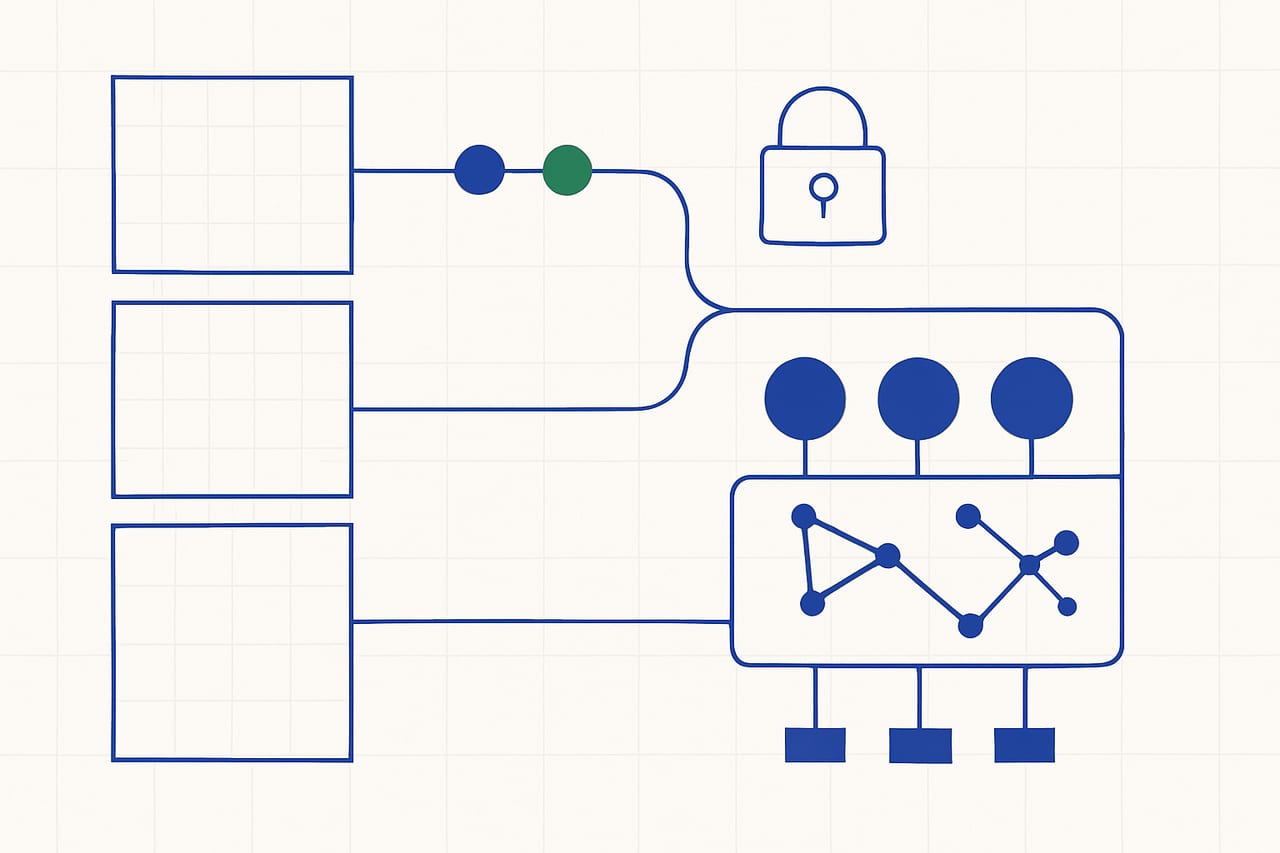
- Multi-tenancy improves resource efficiency but poses data risks.
- Row-level security can prevent data leaks in shared environments.
- Partitioning strategies can optimize performance for individual tenants.
- Choosing the right isolation level is crucial for compliance.
The problem
As B2B SaaS products scale, maintaining data isolation across multiple tenants becomes increasingly challenging. Startups often struggle with ensuring that one tenant's data does not inadvertently become accessible to another, especially under high load or complex query scenarios. This not only threatens data integrity but can also lead to compliance issues, especially in regulated industries like finance and healthcare.
What we found
A nuanced approach to multi-tenancy can significantly mitigate risks while maximizing performance. Utilizing row-level security (RLS) alongside database partitioning allows for granular access control without sacrificing the efficiency inherent in a shared database model. This strategy can reduce the likelihood of data leaks and improve query performance by limiting the dataset each tenant interacts with.
How to implement it
Start by defining your tenant architecture. Choose between a single database with RLS, separate schemas, or completely isolated databases based on your scale and compliance needs. For RLS, configure your database to enforce access policies that filter rows based on tenant identifiers. Next, implement partitioning strategies, such as table partitioning or sharding, to distribute tenant data efficiently. This will enhance query performance by reducing the amount of data scanned during tenant-specific operations. Regularly audit your security policies to ensure they align with evolving compliance requirements.
How this makes life easier
By employing these multi-tenancy data isolation patterns, you can enhance security and compliance while maintaining high performance. Row-level security minimizes the risk of data leaks, which can be costly both financially and reputationally. Additionally, partitioning improves query response times—potentially reducing latency by up to 70% for tenant-specific queries, thus enhancing user experience and operational reliability.
Trade-offs with Multi-Tenancy Patterns
While multi-tenancy patterns offer significant advantages, they also come with trade-offs. The complexity of managing RLS and partitioning can introduce overhead in development and maintenance. Additionally, over-partitioning can lead to increased complexity in database management, potentially impacting performance if not done correctly. It's essential to balance isolation needs with operational simplicity to avoid complicating your architecture unnecessarily.
Figures are industry-typical ranges for these techniques, not guaranteed results — actual numbers depend on your workload.
The solution
Adopt a hybrid multi-tenancy model that combines row-level security with effective partitioning strategies. This approach not only secures tenant data but also optimizes performance, allowing you to scale effectively while meeting compliance standards.
FAQ
What is the best isolation level for my startup's SaaS?
The best isolation level depends on your specific use case, regulatory requirements, and expected scale. For many startups, a combination of row-level security and schema-based isolation strikes an effective balance.
How can I ensure compliance with data isolation?
Regularly audit your data access policies and ensure that your multi-tenancy architecture aligns with industry regulations, such as GDPR or HIPAA, depending on your target market.
Is separate databases always better for isolation?
Not necessarily; while separate databases provide strong isolation, they also increase operational complexity and cost. Evaluate your scale and resource availability before making this decision.
How do I handle tenant-specific performance issues?
Implement monitoring and logging to identify performance bottlenecks. Use partitioning to isolate heavy workloads and optimize query performance on a per-tenant basis.
Want help to build a backend structured to scale?
This is exactly what our backend & API development work covers. Book a build audit and we'll map it against your real architecture and cost curve.
Book a Build Audit