Navigating Data Egress Fees: A Hidden Cloud Cost for Startups
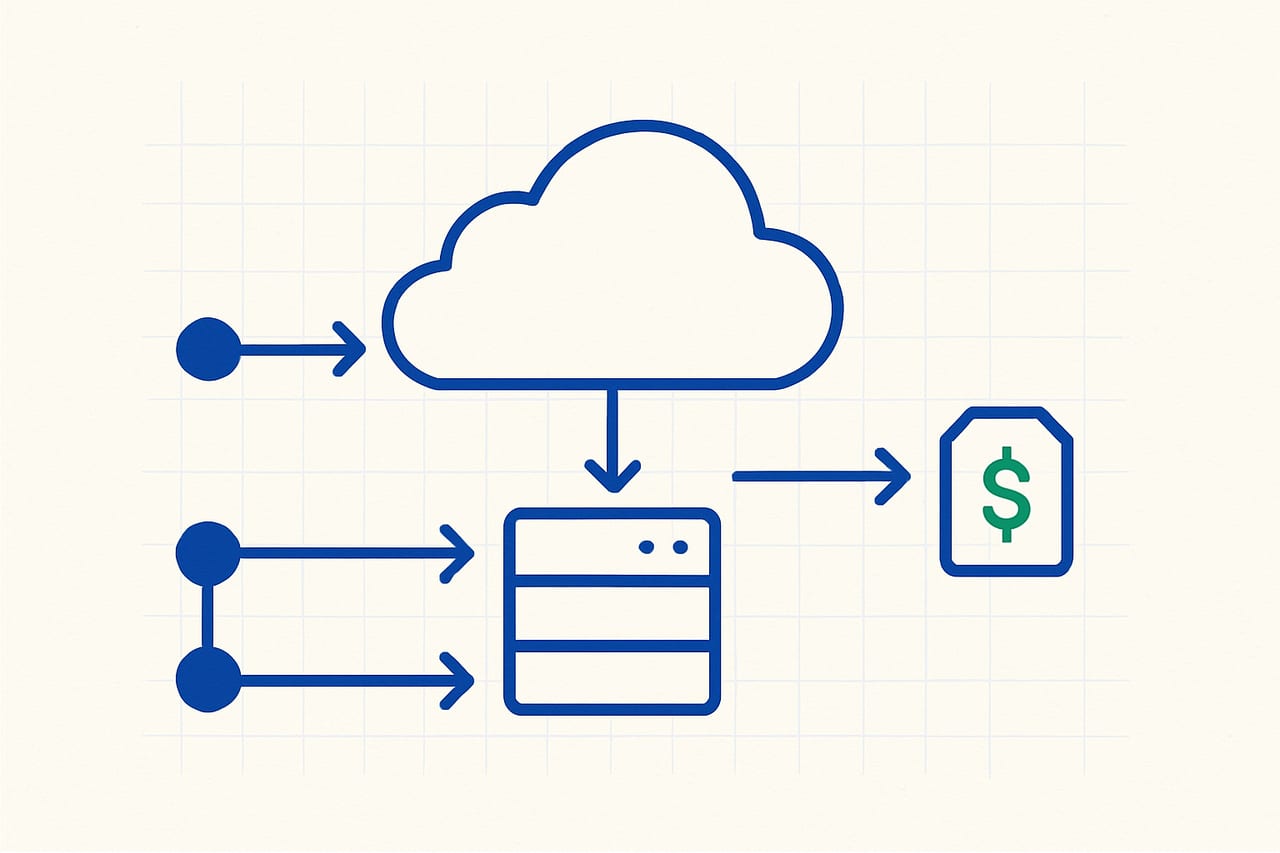
- Data egress fees can exceed 30% of total cloud costs.
- Understanding egress costs is crucial for accurate budgeting.
- Implementing caching strategies can significantly reduce expenses.
- Monitoring data transfer patterns helps avoid unexpected charges.
The problem
Startups often overlook data egress fees when budgeting for cloud services, leading to unexpected costs that can exceed 30% of their total cloud expenses. This issue becomes particularly painful when scaling applications that require frequent data transfers, as founders may discover these fees only after receiving shockingly high bills. The lack of awareness around this cost line item can derail financial projections and hinder growth.
What we found
Many startups fail to account for the cumulative impact of data egress fees over time, especially as they scale. This often results from a misunderstanding of how cloud providers charge for data leaving their networks. For instance, AWS charges per GB of data egress, which can range from $0.09 to $0.12 per GB after a certain threshold. By recognizing that these fees can escalate with increased data traffic, startups can reframe their cloud cost strategies to incorporate egress fees from the outset.
How to implement it
Begin by auditing your current data transfer patterns and identifying the sources of egress costs. Use cloud cost management tools such as AWS Cost Explorer or Google Cloud's Billing Reports to visualize your data egress charges. Next, implement caching strategies to minimize repetitive data transfers; for example, using a CDN like Cloudflare can cache frequently accessed data closer to users. Additionally, consider optimizing your architecture by colocating services that frequently interact to reduce cross-region data transfer fees.
How this makes life easier
By proactively managing data egress fees, startups can significantly lower their cloud expenses and improve budget predictability. For instance, a well-implemented caching strategy can reduce egress costs by up to 40%, freeing up resources for other critical areas of development. This not only enhances cash flow but also allows teams to focus on innovation rather than constantly managing unexpected costs.
When not to emphasize egress cost reduction
While reducing egress fees is crucial, there are scenarios where prioritizing this over performance can be detrimental. For instance, if your application relies heavily on real-time data analysis or dynamic content delivery, excessive caching could introduce latency. In such cases, it’s essential to strike a balance between cost savings and user experience to ensure your application remains responsive.
Figures are industry-typical ranges for these techniques, not guaranteed results — actual numbers depend on your workload.
The solution
To effectively manage data egress fees, startups should implement a comprehensive monitoring strategy combined with caching solutions while ensuring that performance remains a priority. Regular audits of data transfer metrics will aid in maintaining budget accuracy and optimizing resource allocation.
FAQ
How can I track my data egress costs?
Utilize cloud provider tools like AWS Cost Explorer or Google Cloud Billing Reports to monitor data transfer metrics and identify potential cost drivers.
What are some caching solutions I can use?
Consider implementing a CDN like Cloudflare or using in-memory caching solutions like Redis to minimize repetitive data transfers and reduce egress fees.
Are there any alternatives to reducing egress costs?
Yes, you can explore architectural changes such as colocating microservices in the same region to minimize inter-region data transfers, which can incur additional fees.
What if my application requires high data transfer volumes?
In such cases, consider negotiating with your cloud provider for volume discounts or exploring pricing models that better fit your usage patterns.
Want help to right-size your cloud to real load curves?
This is exactly what our cloud cost optimization work covers. Book a build audit and we'll map it against your real architecture and cost curve.
Book a Build Audit