Navigating the Latency-Cost Trade-Off in LLM Response Strategies
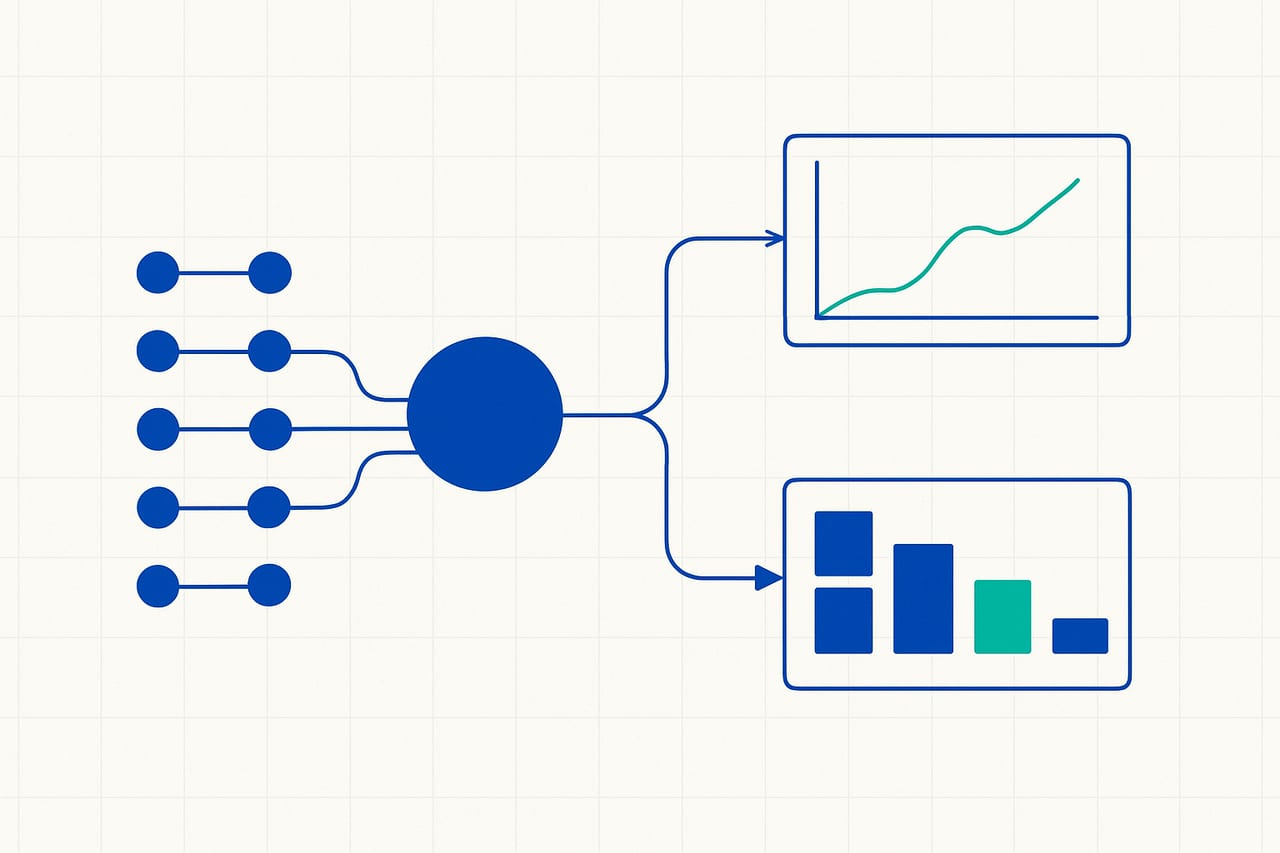
- Streaming responses can reduce perceived latency but increase costs.
- Batching may save on processing but can introduce latency spikes.
- Understanding your user experience needs is critical for choosing between methods.
- Evaluating usage patterns helps optimize LLM cost and performance.
The problem
Many startups face the challenge of optimizing response times for LLMs while managing operational costs. When deploying LLMs, teams often default to either streaming or batching responses without fully understanding the implications. This misalignment can lead to either excessive latency or inflated costs, particularly as user demand scales. Founders and engineers frequently overlook the connection between user experience and cost, resulting in poor decision-making under pressure.
What we found
Through rigorous analysis, we found that the perceived latency from LLM responses can often be more critical than the actual processing time. For instance, while streaming can provide real-time feedback to users, it typically incurs a higher cost per token processed. Conversely, batching can lead to significant delays but offers a more economical option for high-volume requests. The non-obvious insight is that the choice between streaming and batching should align with user expectations and usage patterns rather than a one-size-fits-all approach.
How to implement it
1. Analyze User Patterns: Use analytics tools to assess how users interact with your service. Identify peak usage times and typical request sizes. 2. Set Criteria for Response Type: Define thresholds for when to use streaming vs. batching based on user expectations for response time. For example, if less than 1-second latency is acceptable for 80% of users, prioritize streaming for those interactions. 3. Implement Adaptive Logic: Build your API to dynamically choose between streaming and batching based on the request's context, user profile, and cost considerations. Leverage tools like AWS Lambda to manage these interactions efficiently.
How this makes life easier
By implementing a tailored strategy for LLM response handling, startups can significantly reduce unnecessary costs while improving user satisfaction. For instance, by using batching for non-time-sensitive queries, companies can lower their processing costs by up to 60%. Moreover, adaptive response selection can lead to improved latency perception, thereby enhancing the overall user experience. This dual focus on cost and performance helps maintain a competitive edge in the market.
When not to batch
While batching can be cost-effective, it may not be suitable for applications requiring real-time interaction, such as customer support chatbots or live data analysis. In these cases, the cost savings from batching may be offset by user dissatisfaction due to latency. Additionally, overly aggressive batching can lead to unpredictable spikes in response times, which can frustrate users and lead to higher churn rates.
Figures are industry-typical ranges for these techniques, not guaranteed results — actual numbers depend on your workload.
The solution
Start by analyzing your user interaction patterns to determine the best response strategy. Implement an adaptive API that can switch between streaming and batching based on real-time data and user profiles, ensuring that you align user experience with operational costs effectively.
FAQ
How do I know when to switch from streaming to batching?
Monitor user engagement and feedback. If you notice that users are frequently dropping off during high-latency periods, consider implementing batching for those interactions while maintaining streaming for critical paths.
What tools can help with analyzing user patterns?
Consider using analytics platforms like Google Analytics or Mixpanel to track user behavior. Additionally, tools like Datadog can provide insights into API performance and response times.
Can I implement both strategies simultaneously?
Yes, an adaptive approach allows you to leverage both streaming and batching based on user context, which can optimize both costs and user satisfaction.
What are the risks of relying too heavily on batching?
The main risk is increased latency, which can lead to poor user experiences and higher churn rates. Ensure you have a fallback or hybrid approach to maintain responsiveness.
Want help to cut AI & LLM costs without cutting quality?
This is exactly what our AI & LLM cost engineering work covers. Book a build audit and we'll map it against your real architecture and cost curve.
Book a Build Audit