Prompt Caching vs Fine-Tuning: A Cost-Effective Decision Framework
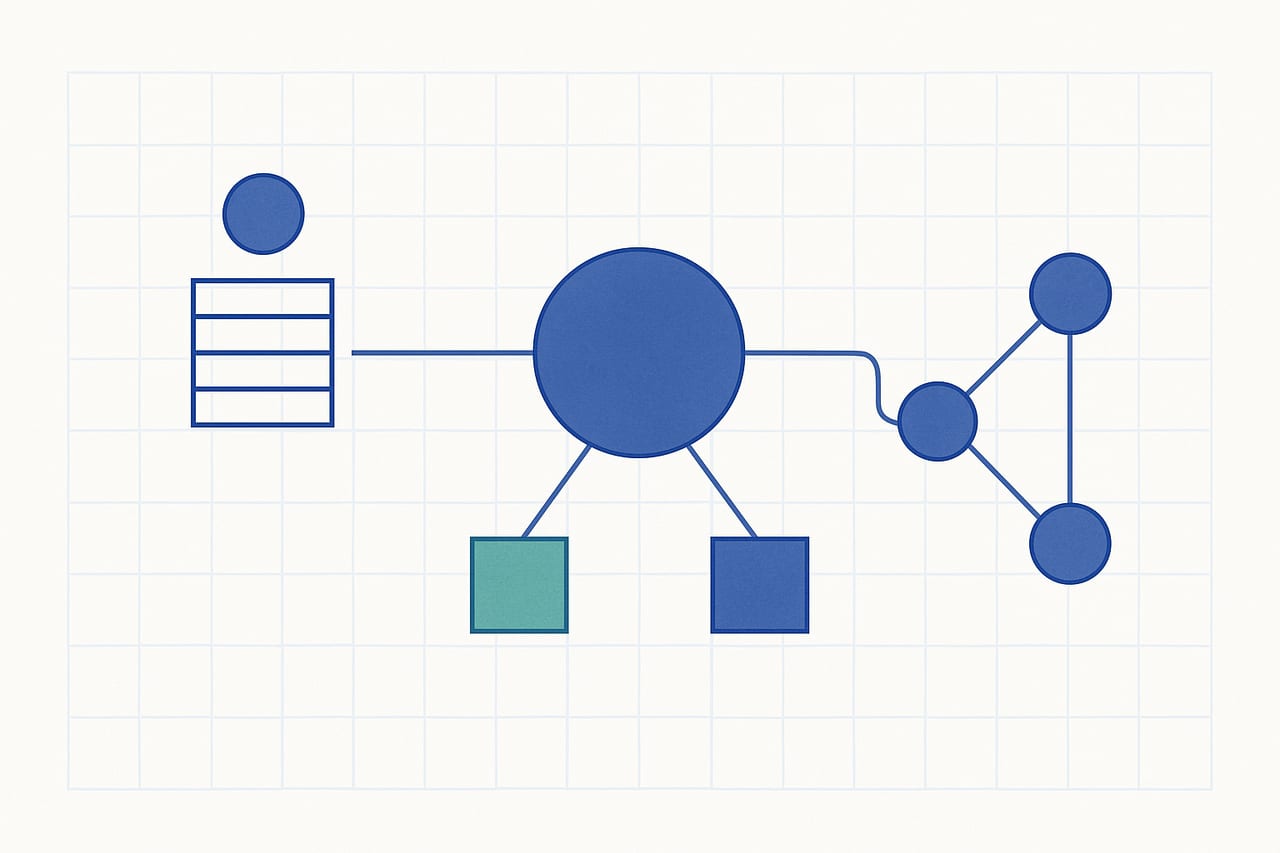
- Prompt caching can reduce costs by up to 70%.
- Fine-tuning requires a higher upfront investment but can lower long-term costs.
- Understanding usage patterns is crucial for choosing the right strategy.
- Implementing a hybrid approach may yield the best results.
The problem
Startup founders and engineers often face escalating costs when using large language models (LLMs) for customer interactions and internal processes. As usage scales, the expenses associated with API calls can quickly spiral out of control, particularly in dynamic environments where prompt variations are frequent. This issue is exacerbated when teams lack a clear understanding of the underlying cost structure, leading to inefficient spending.
What we found
A critical insight is that while fine-tuning LLMs offers the potential for lower per-call costs, it necessitates significant upfront investment in terms of time and resources. Conversely, prompt caching can provide immediate relief in cost without the need for extensive model adjustments. However, the effectiveness of prompt caching is highly dependent on the predictability of user queries and the similarity of prompts over time, which can vary significantly across different applications.
How to implement it
Begin by analyzing your current LLM usage patterns to identify common prompts and responses. Use analytics tools to track the frequency of similar queries over a defined period. For prompt caching, implement a caching layer that stores responses for frequently used prompts, ensuring a hit rate of at least 80% to see substantial cost savings. Evaluate if the cached responses meet your accuracy requirements. For fine-tuning, select a subset of high-traffic prompts and gather a dataset for training. This dataset should reflect real user interactions to improve model relevance. Deploy the fine-tuned model in parallel with the original to gauge performance and cost impact before fully transitioning.
How this makes life easier
Implementing prompt caching can lead to immediate reductions in API costs, potentially saving startups up to 70% on their LLM expenses. Fine-tuning, while initially resource-intensive, can lower per-call costs significantly, yielding better performance for specific use cases and ultimately enhancing user satisfaction. By adopting a structured approach to managing LLM costs, teams can allocate resources more efficiently, leading to improved operational reliability and reduced financial strain.
When not to rely solely on caching or fine-tuning
It's vital to recognize scenarios where prompt caching may fall short, such as in applications with highly dynamic or context-sensitive queries. If your use case involves significant variability in user interactions, relying solely on caching can lead to stale or irrelevant responses. Similarly, fine-tuning may not be the best option for startups with limited data or those operating in rapidly evolving markets where user needs change frequently. A hybrid approach, combining both strategies, can mitigate these risks and better align with fluctuating user demands.
Figures are industry-typical ranges for these techniques, not guaranteed results — actual numbers depend on your workload.
The solution
Adopt a dual strategy that leverages prompt caching for immediate cost savings while planning for fine-tuning to optimize long-term performance. Regularly reassess your approach based on usage patterns and model performance to ensure alignment with business goals.
FAQ
How do I know if my prompts are suitable for caching?
Analyze your usage data for patterns in user queries. If certain prompts are reused frequently, they are likely good candidates for caching.
What are the risks of fine-tuning an LLM?
Fine-tuning can lead to overfitting if not done carefully, resulting in a model that performs well on training data but poorly in real-world scenarios.
How can I measure the success of my caching strategy?
Track metrics such as cache hit rate, cost savings, and user satisfaction before and after implementing caching to assess its effectiveness.
Is there a specific model I should consider for fine-tuning?
Choose a model that aligns with your domain requirements and has a strong community and support for fine-tuning, like OpenAI's GPT-4 or Hugging Face's Transformer models.
Want help to cut AI & LLM costs without cutting quality?
This is exactly what our AI & LLM cost engineering work covers. Book a build audit and we'll map it against your real architecture and cost curve.
Book a Build Audit