Strangler Fig Migration: Seamlessly Extracting Microservices
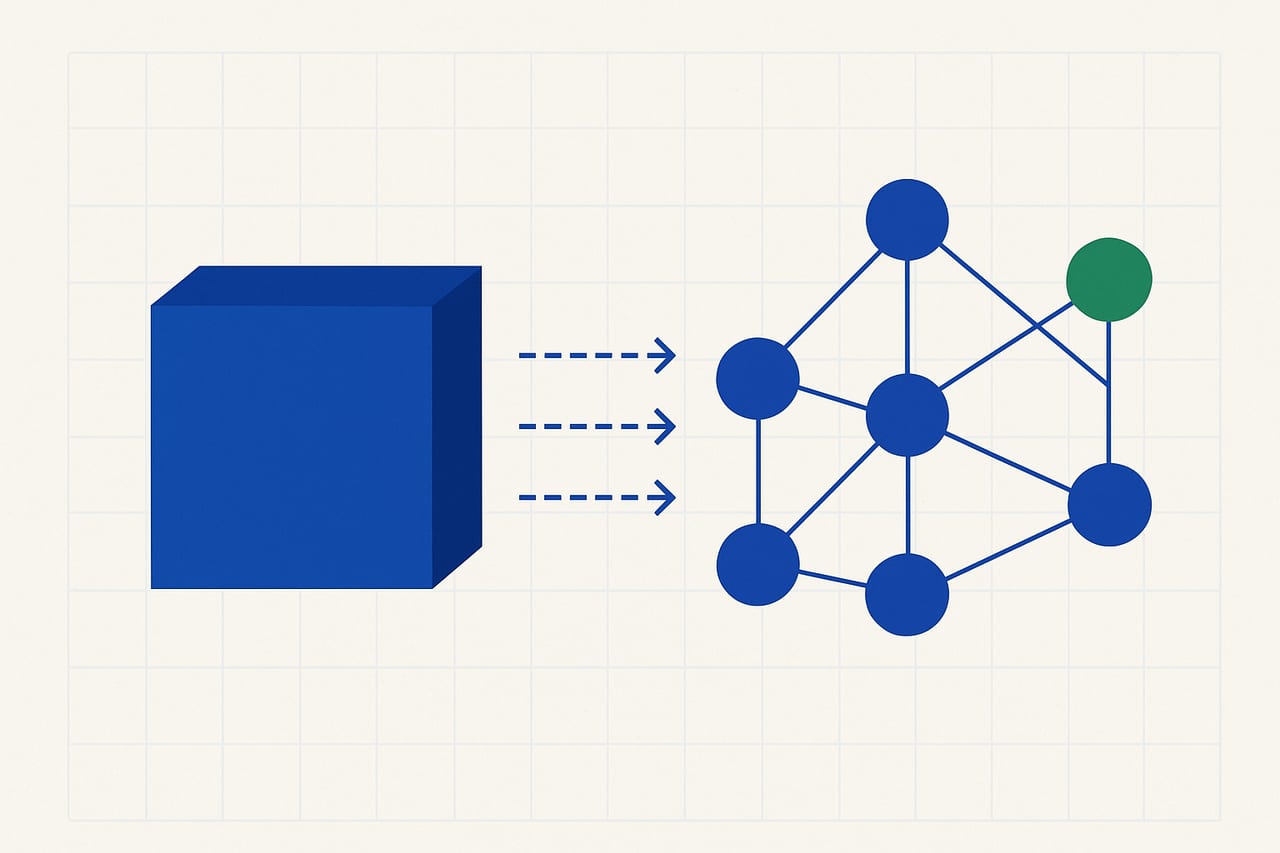
- Strangler Fig migration enables gradual service extraction.
- Real-time data synchronization is crucial for outage-free transitions.
- Incremental adoption minimizes risk while maximizing agility.
- Monitoring tools are essential for assessing migration impacts.
The problem
Startups often struggle with monolithic architectures that hinder scalability and innovation. When faced with increasing traffic and feature requests, the need to extract microservices becomes critical. Attempting to refactor a monolith into microservices can lead to significant downtime, which can adversely affect user experience and revenue.
What we found
The Strangler Fig pattern allows for a gradual migration approach, where new features are developed as microservices while the existing monolith continues to operate. This technique redefines the migration process by enabling real-time interaction between the monolith and new services, thereby avoiding downtime and allowing continuous delivery. This non-obvious insight reframes the challenge into a manageable evolution rather than a disruptive overhaul.
How to implement it
Begin by identifying a specific functionality within your monolith that can be isolated. Create a new microservice for this function, ensuring it can communicate with the existing monolith using an API gateway. Implement a dual-write strategy where both the monolith and the microservice can write to a shared database or a message queue like Kafka. This ensures data consistency during the transition. Gradually shift traffic from the monolith to the new microservice using feature flags or canary releases, monitoring performance and user feedback closely.
How this makes life easier
Adopting the Strangler Fig pattern reduces the risk of outages significantly, as users are gradually transitioned to the new architecture without interruption. This incremental approach leads to improved deployment frequency—often increasing by up to 70%—while maintaining service reliability. Additionally, it allows teams to focus on modernizing one part of the system at a time, enhancing overall developer efficiency and reducing technical debt.
Trade-offs and potential pitfalls
While the Strangler Fig migration is effective, it requires careful planning regarding data consistency and service dependencies. Relying on dual writes can lead to data discrepancies if not managed properly. Additionally, there may be performance overhead from API calls between the monolith and microservices during the transition phase. Evaluate whether your team has the bandwidth to manage these complexities before initiating the migration.
Figures are industry-typical ranges for these techniques, not guaranteed results — actual numbers depend on your workload.
The solution
Implement the Strangler Fig migration strategy to incrementally extract microservices from your monolith, leveraging real-time data synchronization and monitoring tools to ensure seamless transitions without downtime.
FAQ
How do I choose which functionality to extract first?
Start with functionalities that are high in demand but low in complexity to minimize risk. Analyze user feedback and system performance to identify bottlenecks.
What tools can help during the migration process?
Consider using API gateways like Kong or AWS API Gateway, and monitoring tools like Prometheus or Grafana to track performance and user impact.
How do I manage data consistency during the transition?
Utilize a shared database approach or implement an event-driven architecture with message queues to ensure both the monolith and microservice are working with the same data.
What if my team lacks experience with microservices?
Start small with a pilot project, and invest in training resources or consulting services to guide your team through best practices in microservices architecture.
Want help to design microservices that scale without a rewrite?
This is exactly what our microservices architecture work covers. Book a build audit and we'll map it against your real architecture and cost curve.
Book a Build Audit