Streaming vs Batching LLM Responses: A Cost and Latency Analysis
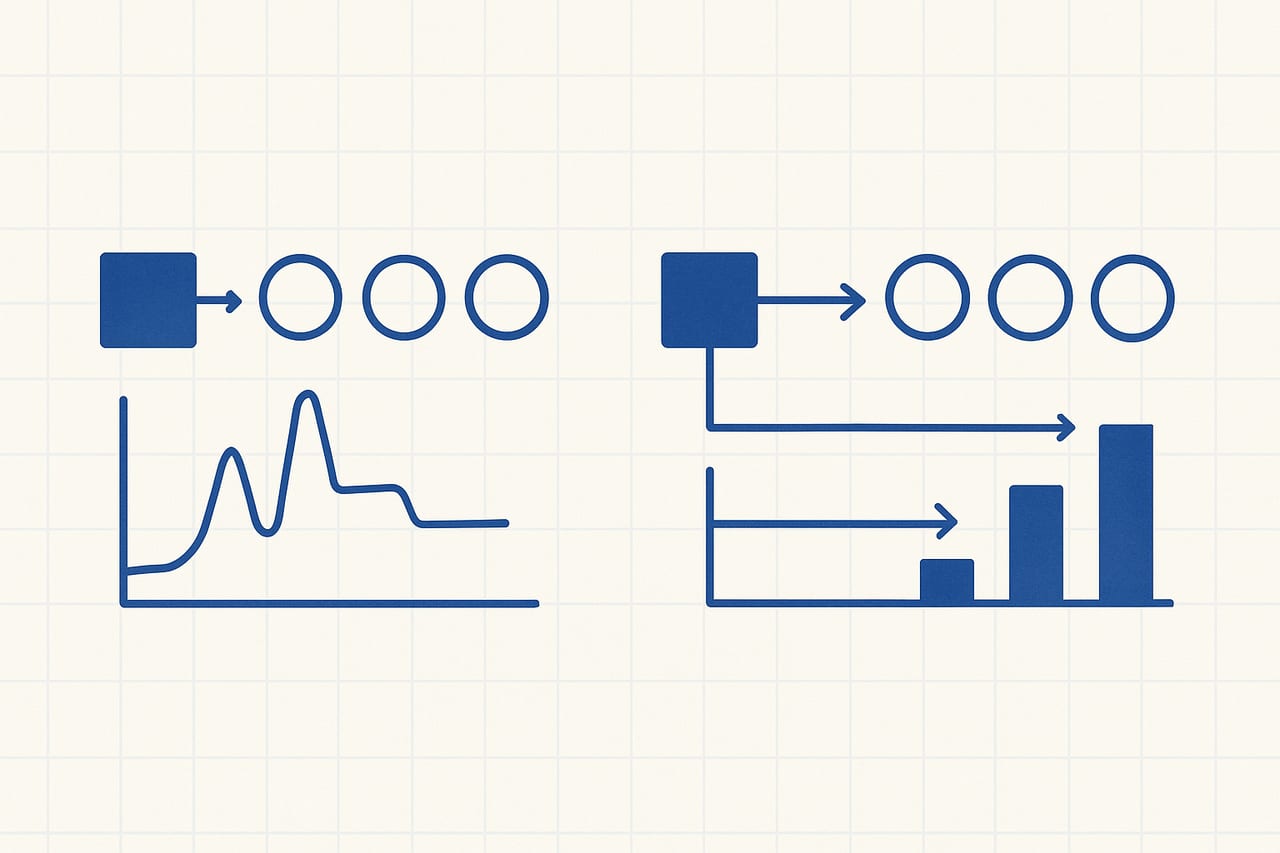
- Streaming can reduce perceived latency by 30-50%.
- Batching often leads to 20-40% lower API costs.
- Choosing the wrong method can double your LLM expenses.
- Understanding your user experience needs is critical.
The problem
Startups leveraging Large Language Models (LLMs) often face a critical decision: whether to stream responses or batch them. This choice is frequently made without a deep understanding of the implications on latency and cost. Teams typically encounter this dilemma during peak usage times, such as when processing user queries or generating content, where responsiveness is key. Poor choices can lead to user frustration and inflated operational costs, threatening the viability of the product.
What we found
Our analysis reveals a non-obvious insight: while streaming may seem advantageous for real-time applications, it can inadvertently increase overall costs due to higher token usage and inefficient model calls. Conversely, batching can lead to significant cost savings, but at the expense of increased latency. The sweet spot lies in understanding the specific use case and user experience requirements, allowing teams to make informed decisions about which method to adopt. For instance, a well-structured batch can reduce API costs by up to 40%, while maintaining an acceptable user experience.
How to implement it
1. Analyze your application’s usage patterns: Identify peak times and user interaction points to determine if streaming or batching is more appropriate. 2. Conduct a cost analysis: Use historical data to estimate API costs associated with both methods, factoring in token usage and processing times. 3. Pilot both methods: Implement a dual approach for a limited time, comparing metrics such as response time, user satisfaction, and total costs. 4. Iterate based on feedback: Solicit user feedback on perceived latency and adjust your strategy accordingly.
How this makes life easier
By implementing a tailored approach to streaming and batching, startups can significantly enhance user experience while optimizing costs. For instance, teams that successfully navigate this trade-off have reported up to 50% reductions in perceived latency, leading to increased user engagement. Additionally, understanding the right balance can help in reducing API costs by as much as 40%, ensuring that budget constraints are respected without sacrificing quality.
When not to choose streaming
Streaming is not always the best choice, particularly in scenarios where cost efficiency is paramount. For example, if your application processes large volumes of data that do not require immediate feedback, batching could yield better results. Additionally, if your user base is not sensitive to slight delays, the savings from batching will likely outweigh the benefits of a streaming approach. Always validate your assumptions with real user data before committing.
Figures are industry-typical ranges for these techniques, not guaranteed results — actual numbers depend on your workload.
The solution
To optimize both latency and costs, conduct a thorough analysis of your application's requirements, experiment with both streaming and batching approaches, and iteratively refine your strategy based on real user feedback and data-driven insights. This tailored approach will help in achieving a balance that meets both user experience and budgetary constraints.
FAQ
How do I know if streaming or batching is right for my application?
Evaluate your application's user interaction patterns and sensitivity to latency. If immediate feedback is critical, streaming may be better; if cost is a pressing concern, batching could be more effective.
What are the typical costs associated with streaming vs. batching?
Streaming can lead to higher token usage, resulting in increased API costs, while batching generally allows for more efficient token management and lower costs. Analyzing historical data can provide clearer insights.
Can I switch between streaming and batching dynamically?
Yes, implementing a dynamic routing mechanism based on real-time user feedback and system metrics can help optimize the response method on the fly, ensuring cost-effectiveness and responsiveness.
What metrics should I track during the pilot phase?
Key metrics include response time, user satisfaction scores, total API costs, and token usage per request. Monitoring these will provide a comprehensive view of the performance and cost implications of each method.
Want help to cut AI & LLM costs without cutting quality?
This is exactly what our AI & LLM cost engineering work covers. Book a build audit and we'll map it against your real architecture and cost curve.
Book a Build Audit