Unlocking Startup Savings: The Idle-Resource Audit
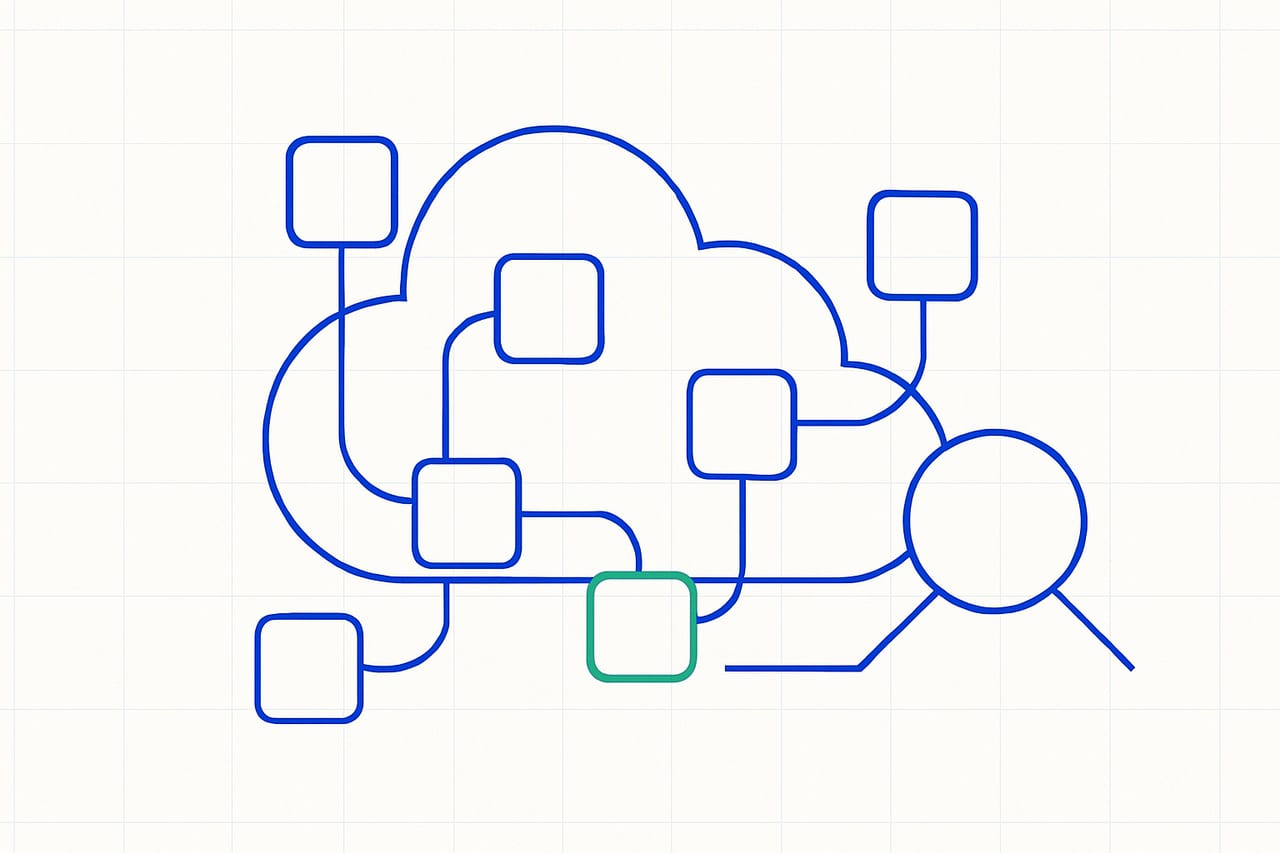
- Idle resources can account for up to 30% of cloud bills.
- Proactive audits can prevent silent cost overruns.
- Real-time monitoring tools can pinpoint resource inefficiencies.
- Implementing resource tagging enhances visibility and accountability.
The problem
Startups often face unexpected cloud costs, with idle resources silently contributing to up to 30% of their cloud bills. This issue typically arises when scaling teams quickly, leading to over-provisioning and under-utilization of resources. Founders may not realize that their cloud infrastructure is bloated with unused instances, orphaned volumes, and over-allocated capacity, which can significantly impact financial sustainability.
What we found
Through extensive analysis, we found that many startups overlook the importance of regular idle-resource audits, often assuming that their cloud utilization is optimized. In reality, resources such as EC2 instances, EBS volumes, and Kubernetes pods frequently remain active without serving any purpose. By implementing a systematic approach to identify and eliminate these idle resources, startups can reallocate funds towards growth initiatives instead of wasting them on unnecessary cloud expenditures.
How to implement it
Start by establishing a cloud cost monitoring tool such as AWS Cost Explorer or Google Cloud Billing Reports to gain insights into your current spending patterns. Next, categorize your resources by utilization metrics, focusing on instances that have low CPU and memory usage over a defined period (e.g., 30 days). Implement resource tagging to track usage effectively, ensuring every team member understands their responsibilities towards resource management. Finally, set up automated alerts for idle resources, and schedule monthly audits to review and optimize resources, terminating or downscaling those that are underutilized.
How this makes life easier
By conducting regular idle-resource audits, startups can expect to see a reduction in their cloud costs by 20-30% on average. This not only frees up budget for critical development projects but also enhances operational efficiency by ensuring that teams are focused on active resources. Moreover, a culture of accountability around resource usage fosters better collaboration between engineering and finance teams, leading to more informed decision-making.
The trade-off of aggressive resource termination
While it's tempting to aggressively terminate idle resources, it's crucial to maintain a balance. Rapidly shutting down resources without analyzing their potential future needs may lead to productivity losses if those resources are suddenly required again. Therefore, consider implementing a grace period for resources flagged as idle, allowing teams to justify their continued existence before final termination.
Figures are industry-typical ranges for these techniques, not guaranteed results — actual numbers depend on your workload.
The solution
Conduct an idle-resource audit immediately using cloud monitoring tools, categorize your resources, and implement a regular review cycle to maintain efficiency. This proactive approach will significantly reduce unnecessary cloud costs and improve your startup's financial health.
FAQ
How often should I perform an idle-resource audit?
It's advisable to conduct an idle-resource audit at least once a month to stay on top of your cloud costs and resource utilization.
What tools can help with monitoring idle resources?
Consider tools like AWS Cost Explorer, Datadog, or CloudHealth, which provide detailed insights into resource utilization and cost tracking.
Can I automate the resource termination process?
Yes, many cloud providers offer automation tools to terminate idle resources based on predefined metrics, but ensure you set appropriate alerts to prevent unintended disruptions.
What if I need the resources later?
Implement a grace period for flagged resources, allowing teams to justify their continued use before termination, thus balancing cost savings with operational needs.
Want help to right-size your cloud to real load curves?
This is exactly what our cloud cost optimization work covers. Book a build audit and we'll map it against your real architecture and cost curve.
Book a Build Audit