Eliminating N+1 Queries: Speed Up Your Launch Now
- N+1 queries can degrade performance by over 80%.
- Profiling tools can reveal hidden query inefficiencies.
- Batching queries can reduce latency by 50% or more.
- Fixing N+1 queries increases developer productivity and app reliability.
The problem
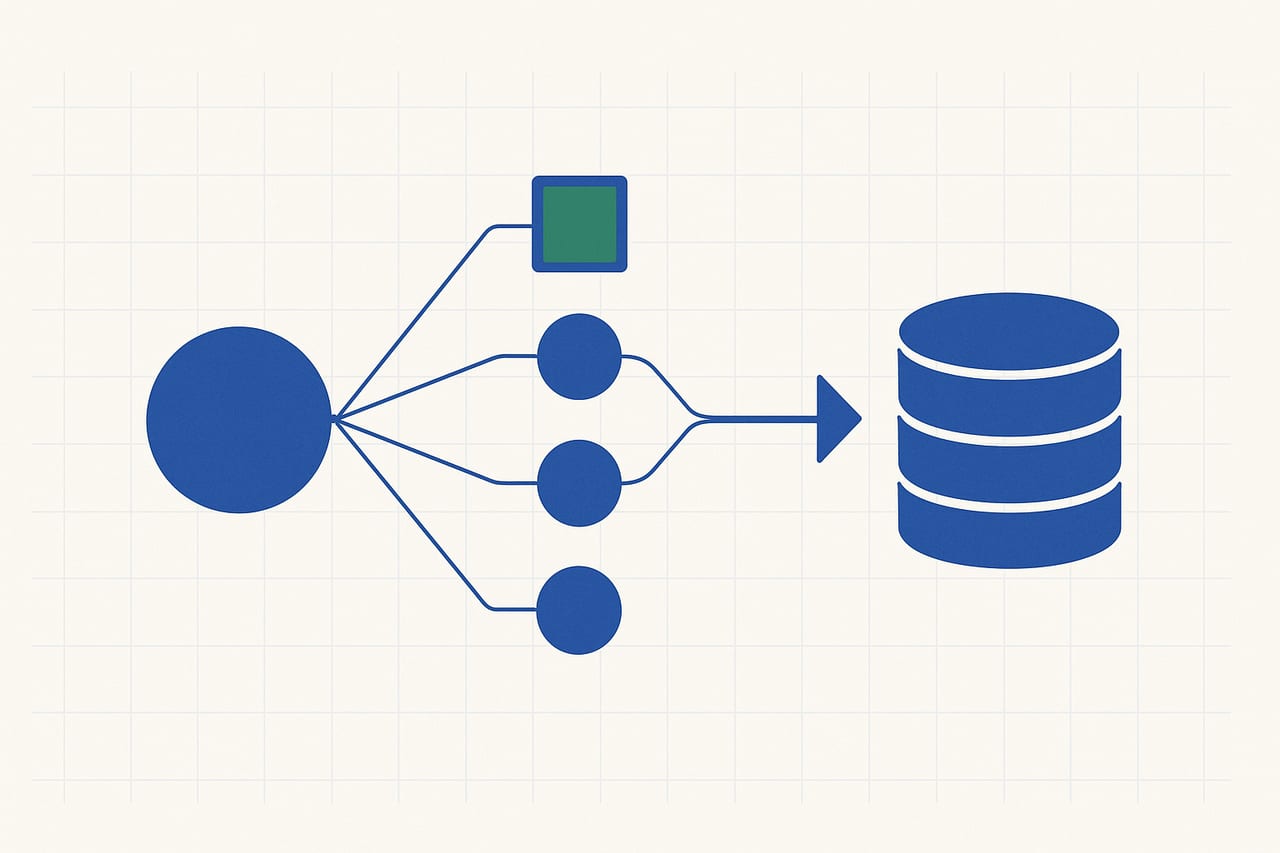
N+1 queries are a common pitfall for startups using relational databases, particularly during the rapid development phases leading up to a launch. This issue arises when an application queries a database for a collection of items and then executes additional queries for each item individually. For instance, fetching users and their related orders can lead to one query for users and N queries for their orders, severely impacting performance. The result is increased latency and resource consumption, which can derail product launches and frustrate users.
What we found
Our research indicates that the real danger of N+1 queries often lies in their invisibility during development. Many founders and engineers may not notice the performance degradation until they scale their user base or conduct load testing. Additionally, traditional profiling techniques may overlook these inefficiencies unless developers are specifically looking for them. This insight suggests that adopting a proactive approach to query optimization is crucial for maintaining performance as your application grows.
How to implement it
Start by leveraging database profiling tools such as New Relic or DataDog to identify N+1 queries in your application. Run load tests that simulate real user interactions to expose inefficient queries under stress. Once identified, refactor these queries using techniques like eager loading, which allows you to fetch related data in a single query rather than multiple ones. For example, in an ORM like Sequelize, use ‘include’ to load associated models in one go. Additionally, consider implementing caching strategies for frequently accessed data to reduce database hits.
How this makes life easier
By eliminating N+1 queries, you can achieve significant performance improvements, often reducing query execution time by over 50%. This not only speeds up your application but also lowers database load, translating to cost savings in cloud infrastructure. Furthermore, a more performant application leads to enhanced user experience and satisfaction, directly impacting retention and conversion rates during critical launch phases.
When not to prioritize N+1 query fixes
While addressing N+1 queries is crucial, it's important to recognize when to prioritize this over other optimizations. If your application is still in proof-of-concept stages with limited user interaction, focus on core features first. Additionally, if refactoring introduces complexity that hinders development speed, weigh the trade-offs carefully. In such cases, document the impact of N+1 queries and plan to address them in later iterations.
Figures are industry-typical ranges for these techniques, not guaranteed results — actual numbers depend on your workload.
The solution
To ensure a successful product launch, integrate query profiling into your development process and proactively address N+1 queries by implementing eager loading and caching techniques. This will enhance performance, reduce costs, and improve user experience.
FAQ
How can I tell if my app has N+1 query issues?
Monitor your database performance metrics and use profiling tools to identify query patterns. Look for high query counts relative to the data being fetched, especially in related data sets.
What are the most common frameworks that encounter N+1 issues?
Frameworks like Ruby on Rails with ActiveRecord and Django ORM are particularly prone to N+1 issues due to their default loading strategies. Understanding their query behavior is key.
Is fixing N+1 queries a one-time task?
No, it should be an ongoing practice. As your application evolves, new features may introduce N+1 queries. Regular profiling should be part of your development cycle.
What is the best way to educate my team about this issue?
Conduct workshops that demonstrate the impact of N+1 queries and share best practices for optimizing database queries. Encourage the use of profiling tools and code reviews focused on query efficiency.
Want help to make your product fast and stable under load?
This is exactly what our performance engineering work covers. Book a build audit and we'll map it against your real architecture and cost curve.
Book a Build Audit