Preventing Connection Pool Exhaustion in Scalable Backends
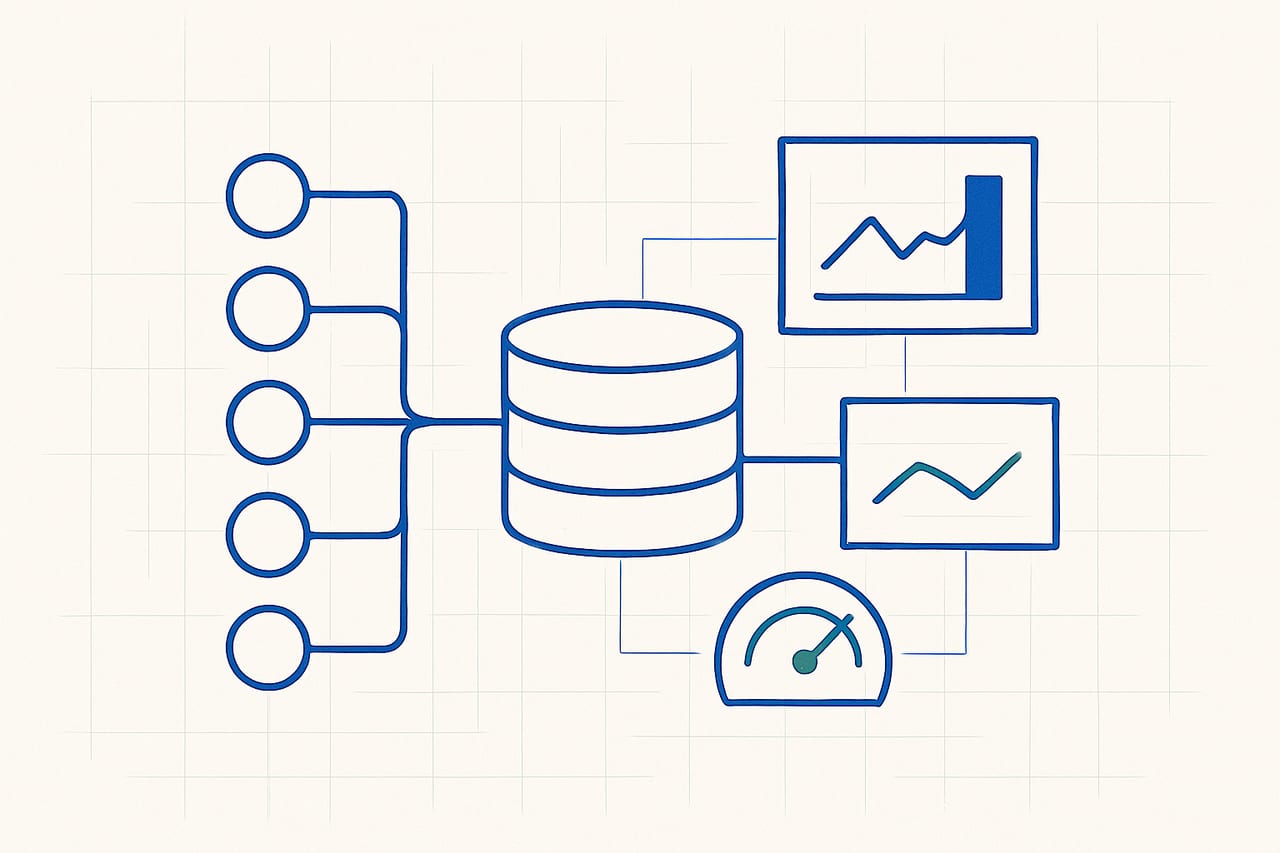
- Connection pool exhaustion can halt your backend's scalability.
- Monitoring pool utilization reveals hidden performance bottlenecks.
- Implementing dynamic pool sizing can mitigate connection issues.
- Proactive connection management leads to better system reliability.
The problem
Connection pool exhaustion is a critical issue for startups as they scale their backend services. When a backend service experiences a surge in traffic, the connection pool can quickly become saturated, leading to failed requests, increased latency, and ultimately a poor user experience. This problem often manifests when the application exceeds the number of connections available to the database, leaving users with timeouts or errors. For startups, which typically operate under tight budgets and limited resources, the repercussions can be devastating, resulting in lost customers and revenue.
What we found
The non-obvious insight here is that connection pool exhaustion is not merely a function of traffic volume but also of how connections are managed and released. Many startups overlook the impact of long-running queries and inefficient connection handling on pool utilization. In practice, a pool that appears to have sufficient connections can still face exhaustion if connections are held longer than necessary or not returned properly. Understanding these dynamics allows for more effective management strategies that can significantly reduce the risk of exhaustion.
How to implement it
To prevent connection pool exhaustion, start by analyzing your current connection usage patterns. Use monitoring tools like New Relic or Datadog to track connection pool metrics, focusing on the average and maximum utilization rates. Aim for a maximum utilization of 70-80% to allow for burst traffic. Next, implement connection pooling libraries like HikariCP or pgBouncer, which offer features such as connection timeout settings and dynamic sizing based on workload. Configure your database to log slow queries, and optimize them to reduce connection hold times. Finally, consider implementing a circuit breaker pattern to gracefully handle connection failures.
How this makes life easier
By proactively managing connection pools, you will enhance the reliability and performance of your backend services. This leads to reduced latency, as requests are processed more efficiently, and fewer timeouts occur. Additionally, optimizing connection usage can result in significant cost savings, particularly in cloud environments where database connection limits can incur extra charges. As a result, your team can focus more on feature development rather than firefighting connection issues.
Trade-offs of aggressive connection management
While optimizing connection pools is crucial, overly aggressive settings can lead to resource contention and degraded performance. For instance, setting a very low maximum pool size can result in increased queuing times for database access, negatively impacting application responsiveness. It’s essential to find a balance between resource utilization and performance, testing different configurations under load to identify the optimal settings for your specific use case.
Figures are industry-typical ranges for these techniques, not guaranteed results — actual numbers depend on your workload.
The solution
To effectively scale your backend, implement dynamic connection pool management strategies by leveraging advanced pooling libraries, optimizing your queries, and monitoring utilization closely. This proactive approach will help you prevent connection pool exhaustion and ensure a seamless user experience even under heavy load.
FAQ
How can I tell if my connection pool is exhausted?
Look for high wait times in your application logs and monitor connection utilization metrics. If you frequently see connection timeouts or errors, it's a clear sign of exhaustion.
What are the consequences of ignoring connection pool issues?
Ignoring these issues can lead to poor user experiences, increased latency, and potential loss of customers, significantly impacting your startup's reputation and revenue.
How often should I review my connection pool settings?
Review your settings regularly, especially after significant changes in traffic patterns or when deploying new features. A bi-monthly review is a good practice for startups.
Can I automate connection management?
Yes, many connection pooling libraries offer auto-tuning features that adjust pool sizes based on real-time demand, helping to manage connections more effectively without manual intervention.
Want help to make your product fast and stable under load?
This is exactly what our performance engineering work covers. Book a build audit and we'll map it against your real architecture and cost curve.
Book a Build Audit