Read Replicas vs Sharding: Prioritizing Postgres Scaling Solutions
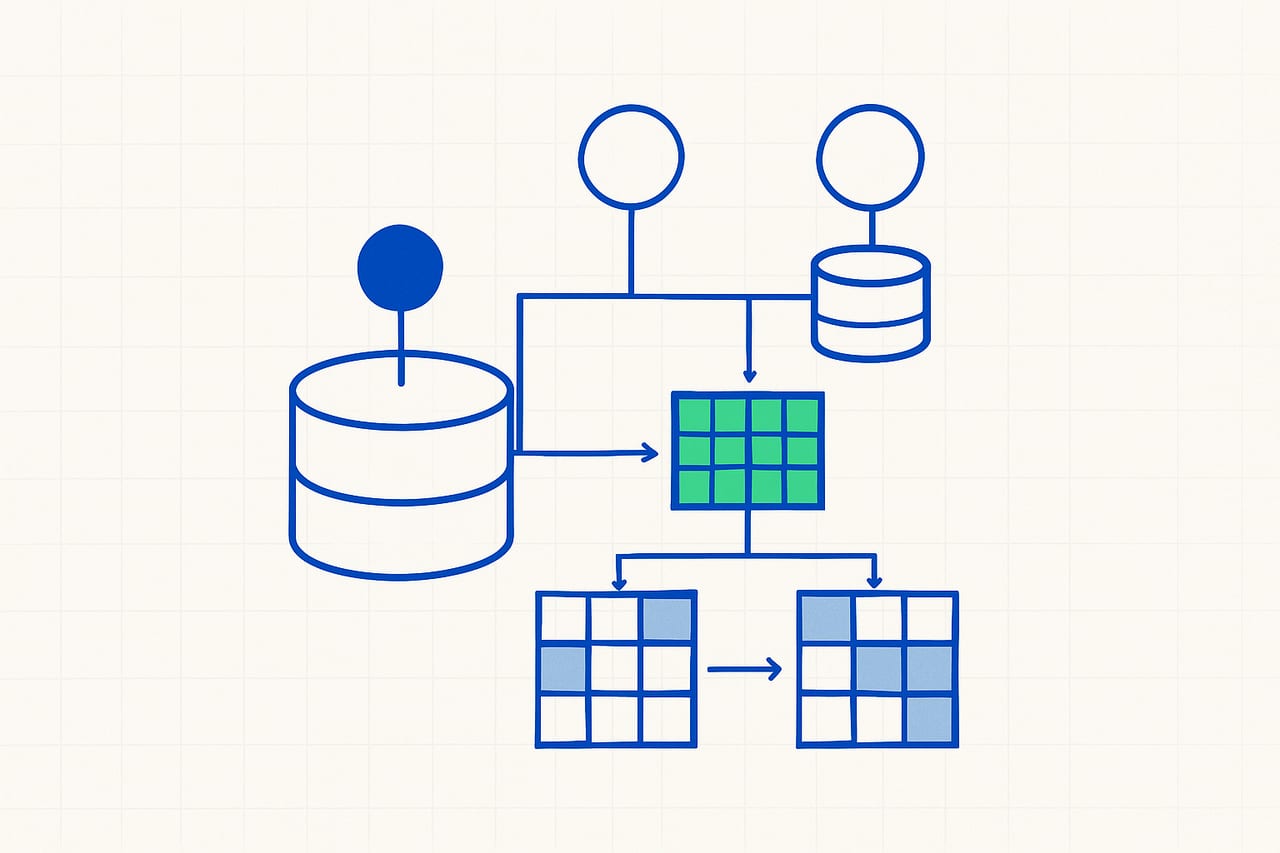
- Prioritize read replicas for read-heavy workloads.
- Sharding is essential for write-heavy and large datasets.
- Evaluate latency and cost trade-offs before implementation.
- A hybrid approach can maximize performance and reliability.
The problem
As startups scale, Postgres can become a bottleneck, particularly when read or write operations increase significantly. Founders and engineers often encounter performance degradation, leading to longer query times and frustrated users. This issue typically arises during peak usage or when the dataset surpasses a few hundred gigabytes, causing slowdowns that can hinder growth and user satisfaction.
What we found
Many teams default to sharding as a first response to scaling issues, but this approach can introduce significant complexity and overhead. In reality, a substantial number of performance bottlenecks can be addressed with read replicas, especially for read-heavy applications. A smart approach involves first analyzing workload patterns to determine whether the slowdown is primarily due to read or write operations before choosing a scaling strategy.
How to implement it
Start by profiling your database to identify whether read or write operations are causing the slowdown. Use tools like pg_stat_statements to gather insights into query performance. If reads dominate (over 70% of queries), implement read replicas to distribute the load. Use tools like AWS RDS to easily create and manage replicas. Ensure your application logic is updated to route read queries to these replicas. If writes are the bottleneck, consider sharding your data based on logical divisions (e.g., user ID ranges). Plan your shard key carefully to avoid hotspots.
How this makes life easier
Implementing read replicas can lead to a 50-90% reduction in query latency for read-heavy workloads, significantly improving user experience. Additionally, by offloading read operations, you can maintain a single source of truth for writes, simplifying data consistency management. For write-heavy applications, sharding can distribute the load effectively, allowing for horizontal scaling and potentially reducing write latencies by up to 75%.
When not to choose sharding
Sharding introduces complexity in terms of data management, requiring careful planning for data distribution and potential cross-shard queries. If your application is not yet at a scale where Postgres struggles to handle the load, implementing sharding can lead to unnecessary complexity. Consider the costs and maintenance overhead associated with managing multiple shards, as well as the potential for increased latency due to inter-shard communication.
Figures are industry-typical ranges for these techniques, not guaranteed results — actual numbers depend on your workload.
The solution
Start with read replicas for read-heavy applications to immediately alleviate performance issues. If write operations are the primary concern, then consider implementing sharding, but do so with a clear strategy to avoid unnecessary complexity.
FAQ
How do I know if I need read replicas or sharding?
Profile your database workload. If over 70% of your queries are reads, start with read replicas. For write-heavy workloads that are increasing rapidly, consider sharding.
What tools can help me implement read replicas?
Consider using managed solutions like AWS RDS, Google Cloud SQL, or Azure Database for PostgreSQL, which provide straightforward options for setting up and managing read replicas.
What are the costs associated with sharding?
Sharding can lead to increased costs due to the need for additional database instances and the complexity of managing multiple data stores. Evaluate your current and projected workloads before deciding.
Can I switch from read replicas to sharding later?
Yes, you can transition from read replicas to sharding as your application grows. However, be prepared for potential data migration challenges and ensure your application logic can handle the shift.
Want help to make your product fast and stable under load?
This is exactly what our performance engineering work covers. Book a build audit and we'll map it against your real architecture and cost curve.
Book a Build Audit